I have a 47mm Epix Gen 2. I've had it for a few months now and I love it. I bought it because it was at a price point that I could afford and had the features I was looking for. Battery life is great and I've tweaked the settings to maximize the life where I only need to charge every two weeks or so with about 4-5 hours per week spent in workouts with AOD on.
for wear os you need to look at the OnePlus Watch 3 -- its up to 5 days running wear os, but you can boot up its own os which gives you up to 12 days (using this does mean no access to any wear os features and that includes nay installed wear os watch faces, but as health and fitness tracking works fine with either os) - its pretty easy and quick to swap between the two - so can usually get around 5 to 8 days depending on how/when you switch between the two os (note not a good idea if you plan to swim / wear while doing water sports - while it has a 5atm rating OnePlus is currently not honoring it). Ticwatch has a couple of models that can offer up to 5 days and extend way past that buy using their essential power system which turns features on/off and extending battery life - not that this and the 5 days is reliant on use of dual screen which is a plain lcd screen. They are also large watches and previously durability and updates have been issues (not sure if they still are).
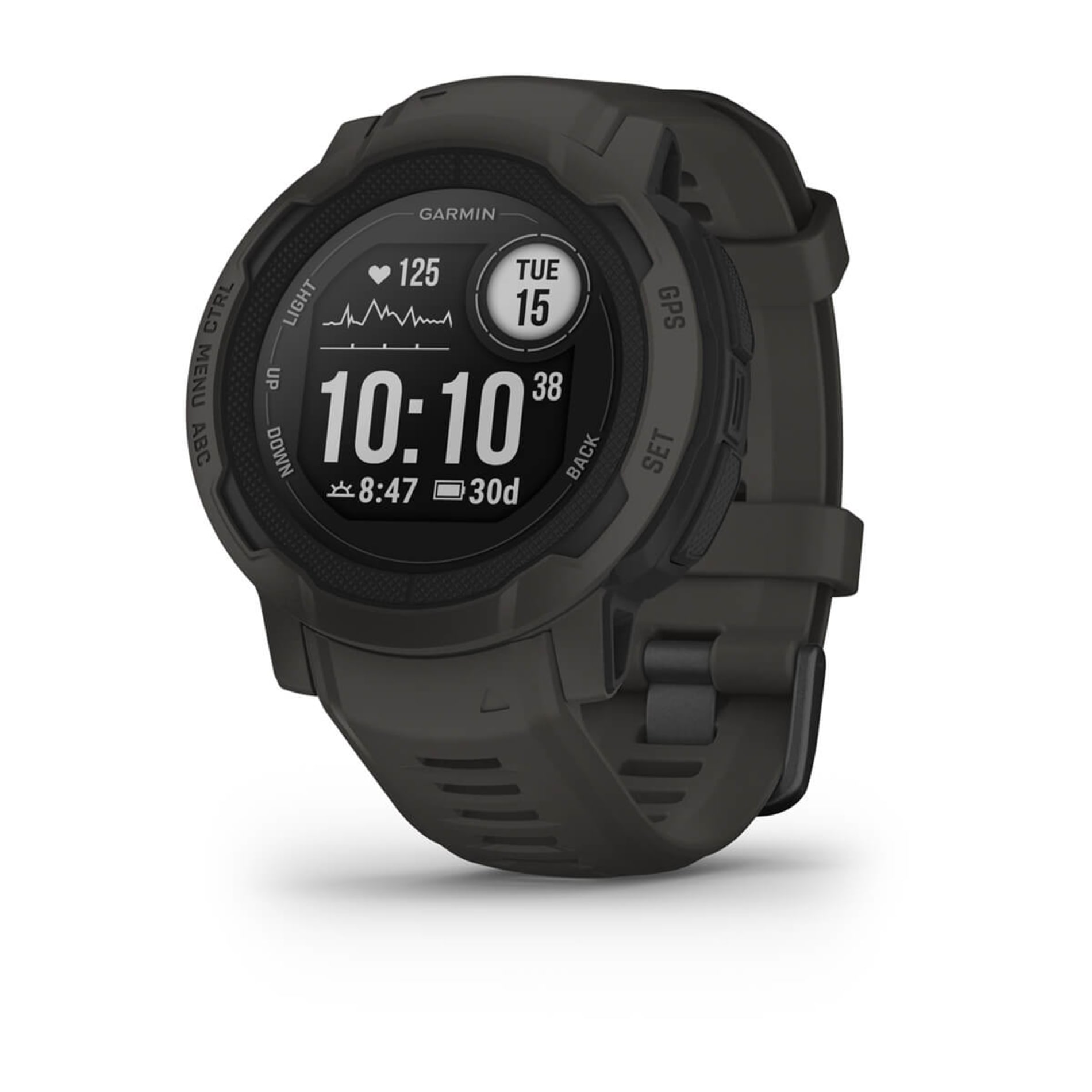
Then you could go for watches that offer similar functionality but are running their own os - depending on the watch and the size you can get anywhere from up to 5 days to potentially unlimited battery life (garmin instinct 2 or 3 solar models 45mm or 50mm - same with the instinct tactix models - of course based on getting enough sunlight to recharge and based on usage habits - but at very least will give month to months between charges).
Look at brands from garmin, ccros, polar, suunto, amazfit, huawei and potentially fitbit. The best will fit your other requirements as they all meet your battery life requirement. If you want +5 days AOD, even then a lot of the models from these brands will cover it - especially the larger case sizes i.e. +45mm.
i..e I have a Garmin Epix 2 which is now +4 years old (haven't yet found anything that is way better and worth the upgrade despite checking regularly) - I generally charge it once a week (usually between 40-55% when I charge) and that includes 30 to 60 mins of gps activity every day (minimum) and usually a couple of extra hours of gps every weekend. Also includes a variety of indoor activities (no gps, but during these activities the watch screen is set to AOD on).
That explains the lower battery life.
For all of them when using AOD on up to 5-7 days is pretty normal - the big exception is the larger case size of the Epix 2 51mm or the Fenix 8 (amoled) 51mm and the tactix version where you can get around 10 days with AOD on - as they have much much larger batteries.
Tried most of them (wear os / apple watch/ polar / suunto / amazfit / huawei) -- and my current favourite is Garmin - have been running an Epix 2 for +3 years and my general daily driver.
as you main focus is swimming I would stick with a garmin (the 5 buttons ones so a forerunner, instinct, fenix (and its variants like epix); suunto, polar or coros.
Having the buttons enables you to swap data tracking screens while resting to check stats.
as to which is best will depend on the swimming stats and features you require.
none of those will work due to the surfing which is considered a high speed/pressure sport (guess when come off an hit waves or end up doing a washing machine the pressures may get too much for a 5 atm warrenty.
Your best option would be to try and pick up an instinct 2 (try for the surf version as it has a couple of niche additions like the tide table watch face) or a garmin fenix 6, or fenix 7 / epix 2 - as these all cover exactly what you need, plus have built in surf tracking app (includes wave counts and will show rides post activity in the app - would add the surf tracker data field as it can help fineese the wave count).
either should be fine - personally prefer the amazfit eco system (but possibly as its sort of a direct rip off of garmin's eco system). --- sync for both with strava is a bit hit and miss compared with garmin. The main stuff should be fine but other stuff may not sync as well. With garmin its super rock solid including stuff like surfing etc - but really with garmin connect there is no need for strava (except for potentially community related stuff if mates are on different platform) - as it just gives so much more detail than free strava and to a degree even subscription stava - especially when it comes to things like surfing etc.
With garmin can see my wave count, longest wave, max speed, surf time, session time, - i get a map showing each wave ridden and the details (length, speed, time); and usual hr, benefit, the total distance paddled compared to actual surf distance, calories , sweat loss, intensity minutes, training beneft etc etc,
Compared to Stava basic - where get the basic data but don't get the wave data, and your tracked activity looks like a big massive blob. So not overly useful from that perspective etc - plus if you have surfline the garmin system can hook in with them too.
Checking ebay - there are options for second hand garmin instinct 2 surf within that price range and fenix 7 / epix 2 for a bit more (could also check fenix 6 options).
not sure it fits within your budget but the Garmin Fenix 8 or Forerunner 970 is about the only watch that fully fits your requirements. You could go with prior gen Fenix (and its variants like Epix) if you don't mind not having a mic & speaker.
If you are prepared to take reduced options in terms of the offline maps - you could look at huawei models and other amazfit models like the balance 2 (however I think its the same sensor so probably will not work well either).
Note that for the T-Rex 3 and for the other suggested models if the HR isn't accurate for you (always a possibilty) then you can always add a chest strap to get accurate hr.
would go with the amafit.
Don't use budget - have garmin Epix (amoled verison of the fenix 7).
Stick to better brands as apps are better and have better support for hardware and software - so amazfit, huawei, garmin, coros, polar, suunto, fitbit - maybe xiaomi (but seem more hit and miss on the support); wear os if on android or apple watch if on iPhone.
Garmin - battery life is easily 1 week - usually around 40-55% when charge - depends on level of activity. Watch is now 4+ years old. My fenix prior to that is still running fine and is now 6+ years old. Generally only charge it more than once a week when I do a week of hiking and am using gps approx 7hrs per day and includes map use and navigation too.
All brands mentioned are reasonably reliable and should give you at least 2 years out of your watch. Wear os and apple watch are closer to once a day to multiple charges per day.
I have had wear os (variety of different ones), apple watch, fitbit, huawei, amazfit, polar, suunto and coros - and currently the best fit for what I currently need is garmin. Coros I never tried due to their requirements for their training system which didn''t meet my requirements, and I haven't had a casio smartwatch cause I think you get way better bang for buck elsewhere and they have a long way to catch up with the others. Haven't tried the cheaper brands as just don't think you get value for money due to the lack of support and failures which are common in these brands.
Therre is no best watch or system- there is only the best one that works for you! the one that best matches your needs, requirements and budget.
I needed offline maps with offline navigation, boating/sailing/windsurfing//surfing features, strength training, rowing features, an accurate training system, and something that could track golf and help me improve my golf game - I also needed something durable and at least 10atm. At the time, and due to the offline navigation there is still only one brand that meets all those requirements and that is the garmin brand, and only the fenix model (and its variants like the epix). Made my choice a lot, lot easier. It also helps that it itegrated with a calorie tracking system (MyFitnessPal - though it now has that built into garmin via subs); and that its health metrics can assist you with determining drivers (i.e. accurate to show impacts of illness, straining body, bad habits etc).
But it really should come down to what you need and what you are prepared to pay and where you are prepared to compromise. At the time I was much more limited and garmin really was the only choice - and technically still is - and considering my Epix is +4 years and rock solid and still looks like I just bought it - I have been very happy.
If I was to look today with same requirements it would have to be the fenix 8 (or a variant) unless I was prepared to compromise on offline navigation (also the detail in the offline maps), the sailing (and other boating features) and take a heavily reduced impact on the golf features, and potentially not as good on training features - then yes I could save quite a bit of money.
When my Epix goes I will then look at my options then and address how my needs at that point may change what I consider my best option. But considering that nothing new has come out that better addresses my requirements, and that I have no new ones, or any of the old ones are no longer required - why spend money at this point for something that doesn't give me any added advantage.
I had a Fenix 6 Pro Solar that recently bit the dust. I balked at the price of a similarly equipped Fenix 8 so bought an Epix 47 instead. Turns out I hated having an amoled screen. So I returned the Epix and bought an Instinct 3 with MIP. It’s a 45mm which I like so far.
1-2 gen old garmin fenix should be around that much new old stock, or see if you can find a refurb epix 2. I used an Apple Watch 4 before I got the epix 2. It’s fine for heart rate and mileage if that’s all you want. In fact any watch that has a hr monitor will be fine for basic training.
Totally get that. The Epix is overkill for sleep, but it’s elite the moment you need GPS, activities, or a backup for your bike. Fitbit wins on simplicity, Garmin wins on “when things matter.” If you already own the Epix, I’d keep it and avoid downgrading unless you truly want friction-free sleep tracking.
Top Fitness Trackers on Reddit
1
Garmin
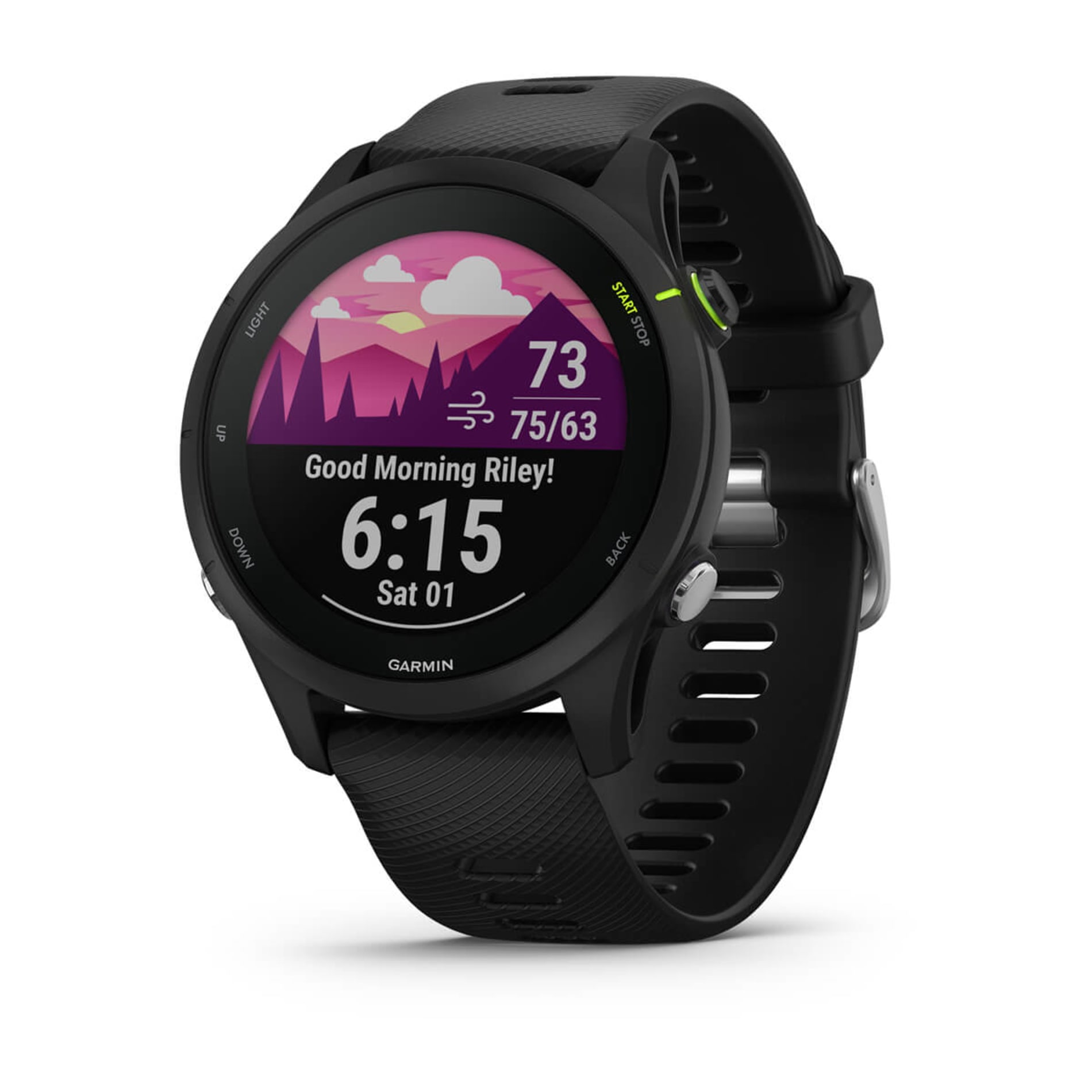
Forerunner 255 Series
86% positive of 466 users
Long battery; but wrist HR tracking is inconsistent.

 philhull