I have had gen 2 for about 9 months and it helps me in tracking my chronic illnesses which has been wonderful to have actual data to support the conditions and symptoms I track for the visits with my specialists. I have found the support thru the app to be very responsive and helpful, as well. They had to send me a new ring when I had problems getting it to charge and that process went pretty seamless. The data has been very accurate and I look forward to the new features they will have such as the blood pressure monitoring. They just added some other features this week that included headache monitoring and a couple other things. So all in all I'd highly recommend! 😊🌟
Purchased a Gen 2 for myself and an Gen 2 Air for my wife within the past month. Overall, our reviews are quite positive. Our pull factors for Ringconn over other brands are synonymous with others takes on this sub - no recurring fee, surplus of data, contentedness with less bells & whistles via app experience. We're not super picky. Mildly reluctant to admit we are emerging into quite the health nuts in early adulthood - and Ringconn has exceedingly perpetuated that experience lol.
The simplicity of the app can be a push factor for some, but it's purposeful for us. As long as you're willing to familiarize yourself with the data, Ringconn will fulfill your needs. I would lean in a different direction if you're looking for an automated, suggestive, hands-free experience - as I've heard Oura curates your personal data more directly (wasn't worth the subscription for us, and I have a health background so researching is enjoyable for me).
It's an effective tool for stress monitoring, sleep metrics, and vital sign trending. I would advise you to keep your expectations realistic with the fitness component. Get a smart watch for that. It will suffice for most cardio activities including pickle ball, but I take it off for weight lifting.
It's not perfect, nor is any health device, but I've been impressed with the capabilities of this modest ring. 8/10 recommendation!
I’m generally happy with it. I think you’ll mostly see issues and complaints posted on Reddit, but I love my Ringconn Gen 2 personally.
I will say the app isn’t as much of a “coach” as other products’ apps are. It doesn’t give you a ton of feedback about what your data *means*. Ringconn is great if you know what metrics mean and you just want something to track those metrics so that you can track trends and analyze them yourself.
The recovery scores and whatnot are okay but I’d rather trust how I feel than trust an app algorithm running my numbers. I like the sleep tracking the most and I find it to also be good at seeing when I’m starting to get sick or something.
Battery life is good (although it does degrade over time), the data seems pretty accurate for what it is, and the ring is lower profile and more comfortable than Oura. It even comes with the charger case that Oura charges $100 USD for. And the best thing? *No subscription* to see the data the ring collects on you.
Highly recommend looking here: [https://www.youtube.com/@TheQuantifiedScientist](https://www.youtube.com/@TheQuantifiedScientist)
Rob ter Horst is a postdoctural researcher currently living in Vienna if I remember correctly, and has tested a ton of commercial trackers. Some of them against gold-standard polysomnography, and the rest against what he calls "silver-standard" EEG headbands that, according to him, come close enough to the gold-standard for comparison. Keep in mind that for the vast majority of his tests it's an n=1, and he often only compares a few nights of sleep. But that's far and beyond >99,999% of reviews you'll find online, which seem to go by how they feel a day after unpacking the product aka "yeah sleep tracking seems super accurate"...yeeeah. I don't trust the vast majority of reviews.
But, the best of the best commercial trackers still range from around 55-95% agreement with the EEG headband, depending on sleep stage, so while some get an average of 70-80% on all sleep stages, others may only agree to 55% on one sleep stage and 95% on another. The commercial trackers seem to confuse most deep with light sleep, light with deep sleep, REM with light sleep, and awake with light sleep.
What I don't know is how "consistently wrong" the trackers are - meaning, if the tracker is always wrong to the same degree, so you can compare the numbers to yourself and judge by how your numbers change. Also, if you have insomnia, including having a sleep onset of 0,5-2h+, they can get very very inaccurate. In addition, keep in mind that if you actually want to use the data properly, you'll almost always have to download the data, which can be extremely bothersome with some products - the Eight Sleep takes almost a week to send me my data, which is only a few hundred kb large, and then it's a complex layered database file that requires a python script to get the numbers, and manually entering the bedtime/sleep onset/wake time/out of bed time + time zone adjustment for accurate output (maybe there's a better way that I haven't found yet, plus the database doesn't provide manually in-app corrected bedtimes and so forth \*facepalm\*).
When I got my RingConn Gen2, I sometimes looked at the watch and thought "oh wait, that's actually really accurate" - but then I downloaded my data and compared that to my notes, and bedtime + sleep onset were frequently off by 45min-2h. My Eight Sleep Pod 5 is better, but even after 3 months of literally daily correction that "when I'm lying in bed, I always try to sleep, no pets, no other activities", it still constantly gets it wrong, though sleep onset seems accurate most days.
I’d actually say the battery issues are now the majority. As long as you don’t mind a 300 dollar ring lasting 8-12 months then dying go for it. That goes for all brands too it’s rare if the ring battery will last much longer than that. It’s just a limitation of the battery tech right now.
I’d consider an Apple Watch or other fitness tracker in which the battery can be replaced. The rings cannot. Right now they are just too expensive and don’t last long enough to be worthwhile.
Top Fitness Trackers on Reddit
1
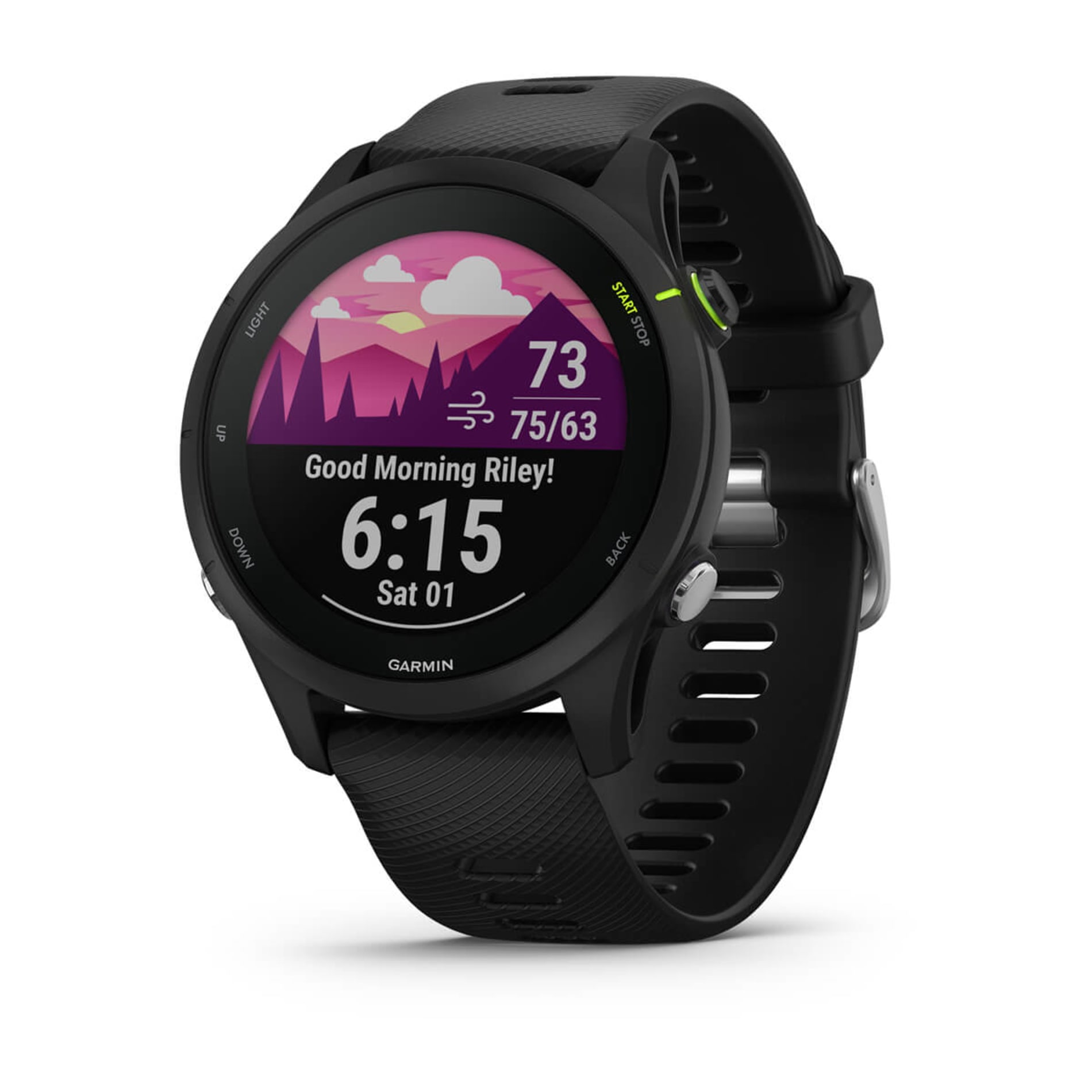
Garmin
Forerunner 255 Series
86% positive of 466 users
Long battery; but wrist HR tracking is inconsistent.


 Jesus-L0ves-U