Same with focal Utopia 2022. Makes garbage sound like garbage, but great productions come alive. Def hard to daily them, compared to my comfy and not so picky 6XX hooked up to some vintage tubes
My $4000 Focal Utopia pretty much sounds the same as my $200 Sennheiser 6xx for gaming, footsteps, sound whoring etc. that’s why we have “daily drivers” and “critical listening” categories of headphones.
Gunshots and footsteps aren’t going to sound that much better or clearer on more expensive headphones. Directional audio is mostly software based. I don’t see how a normal stereo headphone can be tuned for gaming, that’s usually a part of the driver/firmware that comes on USB headphones that have their own dac built in.
Personally, I think $200 open back headphones are the best for gaming.
I listen for fun and these are my most favorite headphones ever. I like them better than the HD800S, Arya Stealth, and Focal Utopia (2022).
Just a slight bass shelf and it was perfect.
The stealth is not worse by any means but its just different. The Arya is more open, brighter and the LCD-X is more relaxed but it feels like the music is punching in your face.(Sorry, im bad at describing this). I will never ever sell the Stealth nor LCD-X.
The utopia is great. Maybe even perfect. But absolutely not for that price. There was no "wow" effect compared to LCD-X. And also i dont like the chassis design. They feel premium but idk man. I was listening to them for one hour in a quiet room in France and i was not super impressed, because i was always thinking about the price.
Maybe i like planar bass more? Maybe its the design? I don't know.
Apologies in advance for the extremely long read. I couldn’t quite think of a way to split these further without losing comparisons and context that is needed. Please feel free to search and skip to sets that you are interested in or jump to the summary at the end. I wish I had taken better photos but, in the bustle and excitement of the event, I often forgot. I have previously published my impressions of more affordable headphones and you can read those by clicking this [link](https://www.reddit.com/r/headphones/comments/1t7igir/budget_cans_impressions_headphonezone_connect/). I also intend to publish my impressions of the electrostatic headphones and the IEMs that I tried soon!
I am condensing my impressions of more expensive headphones (> 50K INR / 500 USD) that I tried at HeadphoneZone Connect. I heard these sets at the event in Chennai (Jan 31^(st) and Feb 1^(st)) and Bangalore (April 19^(th)). Last year, I simply struggled to tell a difference between most of the flagships. They were all impressive but I couldn’t for the life of me tell apart two ZMFs or a ZMF from a STAX. This time, I could much more easily, quickly and confidently hear the differences between sets.
Since my re-entry audiophilia last year, I have acquired and used the Sennheiser HD600 extensively. With that as my benchmark, I tried to evaluate most headphones with a diverse playlist that I know like the back of my hand. The wonderful rich mids and timbre on the 600 have set an almost impossible benchmark for me. The DCA E3, Mezes and HD600 on tubes were tested later at the Bangalore event but I did try the HD800S at both events.
I have mentioned the source and connector used for each can and if it is my first time hearing them. Unfortunately, I didn’t note down the pads used or mesh for sets that come with multiple options. Kindly excuse the half-assed photos, I forgot to take better pictures People blasting open backs like loudspeakers, the limited time (\~15 minutes) with each set, and my complete lack of prior experience reviewing cans are three big reasons to take everything with a big spoonful of salt.
I must thank my friend u/mournfulmonk for pushing me to go in with an analytical mindset to train my ears and for the extensive guidance in penning down my thoughts.
**Testing Tracks** – [YouTube Music](https://music.youtube.com/playlist?list=PL2bpvNPkNdZxmI2Q5ZyxTpTb8ruzKkeoA&si=ak2tzbUMQFbcaa5f) | [Apple Music](https://music.apple.com/in/playlist/test-tracks/pl.u-DdAN8lPI0jyZd4M)
## Sennheiser HD800S (Cayin HA-2A + Gustard R26, 6.35mm)
Last time round, I only got to try Bohemian Rhapsody on the 800S as the event was winding down. Those few minutes were enough to impress me. Enthralled by the balance of tonality and technicality of the HD800S and Cayin’s mesmerising analogue dials, I could’ve ignored the other sets. Alas, the demand for this set was high so I did have to move on. This set is less like a headphone and more like a pair of ear speakers. The cups are deep and massive enough to fit any ear. The clever use of materials to produce a premium yet lightweight build that delivers supreme comfort is much appreciated.
The HD800S has a well-balanced tonality with slightly warm mids and smooth treble. The lower treble is relaxed and the rest of the treble is about as bright as the HD600 to my ears. These are arguably the first set that is not a downgrade in timbre of the mids from the HD600. The bass extends deeper but it doesn’t have the same rumble of the planars. The midbass is simply delectable with a good balance of texture and quantity. Well mastered tracks are presented naturally with excellent separation and layering. While a few other cans had comparable or even better imaging and resolution, the soundstage is truly holographic and astounding.
Even on poorly mastered tracks, the tonal balance on a capable tube amp like the HA-2A makes this set a rhapsodious delight. It is the benchmark against which boutique flagship offerings from the likes of Meze, ZMF, Focal and Audeze seem extremely overpriced. It matches their technical prowess and offers an unmatched spaciousness with a mature and refined tonality. I completely understand why this is often the first expensive headphone to enter the collection and also the last to leave.
# Meze
## Meze Strada (TRN Black Pearl, 4.4mm)
The Strada is the new mid-tier closed back from Meze. It is built well but it is proof that even Meze can miss the mark sometimes. The military green just doesn’t mesh with the beautiful wood and copper yokes. It is as though someone wrapped an elegant Rolls Royce Phantom’s hood with carbon fibre vinyl. Comfort is excellent but still a step behind DCA’s self-adjusting suspension strap for my head and ear anatomy.
The Strada has a smooth treble and it brings this to my attention first. Although there is no bloom or bloat like other Meze closed backs, the quality of the bass is a sacrificed for more quantity. There is a steep drop off at 150hz which should lend it a clean timbre. However, the lower mids are boosted while the upper mids are still recessed in classic Meze fashion. It fares much better than prior Meze sets and this downward tilt imparts a warm timbre to the mids tastefully. Vocal and strings have better energy than the other planar Mezes and those who preferred a relaxed upper mids and lower treble may enjoy this.
Coming from the HD600 however, overall tonality sounds off and detail is lacking. Backing vocals in certain tracks are buried. The boosted air region lends some energy to cymbal attacks but the initial bite of drums is missing in the lower treble for my preferences. Stage is great for a closed back but imaging, layering and presentation are average. The Strada may graph quite close to neutral targets but the DCA Noire X hits the mark more accurately. However, I can see those with a preference for more subbass, warmth and relaxed upper mids choosing this Meze.
## Meze Liric II (TRN Black Pearl, 4.4mm)
This is Meze’s flagship closed back planar magnetic and the design and build is par with Meze’s elegant and elevated standards. For some reason that I can’t quite pinpoint, the headband comfort is worse than other Mezes I’ve tried. It does look classier than its younger sibling, the Strada.
Bass punch and impact is great with good texture but it is less controlled than other planars. The transition from mid bass to lower mids is done well and retains warmth without too much bloat. The timbre is certainly not natural but the warmth is brilliant for male vocals. I thoroughly enjoyed my recently discovered Coke Studio tracks. Female vocals and strings sound harsh with excessive mid treble energy while sounding recessed in the upper mids. Pianos sound thick and heavy while lacking bite. The mid treble is pulled back above 6khz and air is boosted lending a peaky and unnatural timbre profile. Yet again, this affects cymbals and drums.
The Liric II is the larger sibling in height and width of stage and it packs a greater punch in the bass to boot. Despite its appearance, it has the reserved and warmer personality. However, it is still the traumatised child that is rough around the edges and lacks emotional balance in the treble. Most people would prefer the smaller and uglier, yet pampered and refined (and cheaper) little sibling that is the Strada. Unfortunately, the criticism doesn’t end there. As is the nature of Indian families, these Mezes will be compared by the parents (I have become what I swore not to be) to the overachieving distant cousins and family friends. The DCA Noire X and E3 are the perfect siblings that excel at every metric – academics, sports, extracurriculars. Their only fault – they can be too vanilla and high strung for some. To add salt to the open wounds, the Mezes are not even the coolest kids in the apartment. The rich and spoilt brat, that is the ZMF Boked Closed, parties harder and its wonky tuning is embraced with zero conflicts.
## Meze Poet (D&A Alpha Pro, 6.35mm)
Meze’s latest open back is an absolute delight to hold in the hands at look at. It is exquisite and classy in design while being comfortable. I still marginally prefer the DCAs and 800S for comfort but this is a toss-up based on your head and ear anatomy. The D&A Alpha Pro is the most unique and modern looking source I’ve seen. The design, build and user interface all form a cohesive, premium and smooth experience. I am looking forward to more (hopefully affordable) releases from this brand.
Immediately, I notice the recessed vocals and that it sounds like yet another V-shaped Meze. Once I focus on the bass though, I realise it is lacking the quantity that usually accompanies Meze Closed backs. As expected of an open back, the rumble is subdued, but the mid bass bloom remains lending the mids a warm tonality. Naturally, timbre and detail of the mids take a hit and this flaw alone would be salvageable. Unfortunately, Meze has also pulled back the upper mids as is characteristic of their planars. This is what ruins the energy, detail and presentation of the vocals. Strings and violins, in particular, lacked energy. I understand this choice was made to improve stage but even HiFiMAN manages to balance this trade off better.
Upper treble and air is boosted lending transients of cymbals a tad too much energy. The balance of upper mids and lower treble with the higher frequencies affects the resolution of the set quite a bit. Stage is quite good but imaging and separation are average. The Dan Clark Audio E3 may be bright-leaning in comparison but it nails the fundamentals. For this reason, I find it difficult to recommend the Poet if what you want is natural timbre and neutral tonality. If you want fun, Meze’s own lineup has bassier options.
# Dan Clark Audio
## Dan Clark Audio Noire X (4.4mm) vs Dan Clark Audio Noire XO (XLR)
Before you dismiss me as a madman for comparing an open and closed back, let me just say that DCA is brilliant at resolving the issues that have traditionally plagued closed backs and bringing them on par with open backs. Both these sets have a sleek and sturdy industrial design with substantial heft but excellent comfort. I thoroughly appreciate that most of their sets fold up to be genuinely portable. Both sets were powered by the SMSL VMV P2 amplifier and the SMSL VMV D2R DAC. I watched a few reviews prior to the event last year and the Noire X was rated quite highly. The first set I tried was the Noire X and every aspect of the set absolutely stunned me last time. To say I had high expectations from these sets would be an understatement (particularly as the E3 was not available at the Chennai event).
The differences between both sets tonally is quite minor but certainly noticeable when heard back-to-back. The XO sacrifices rumble and midbass impact for a wider stage that offers a bit more separation. The XO is also smoother overall in the treble but I preferred the Noire X’s presentation and tonal balance a bit more. It could’ve also been the better isolation offered by the X that made the difference ultimately. If you took the HD600 and added sub bass extension these are very close to what you would get. They lack a little warmth in the lower mids and the upper mids to lower treble region is elevated. The rest of the treble was not as smooth and refined as I would’ve liked. I am particularly sensitive to this 2kHz elevation that can make the set a bit shouty. Mid treble is a bit more emphasised than the 600 but this is tastefully done.
These sets are just second to the Sony MV1 in comfort and the DCA’s self-adjusting suspension strap is a brilliant design. Technical performance is excellent and they handily outperform the Mezes and Bokeh Closed. The ZMF however offers punch and warmth and joy that is unparalleled. If you want brilliant neutral tonality and natural timbre with emphasised upper mids, these sets can be endgame for most. It is genuinely the first closed back that is worth stepping up to from the FT1. I am eager to try out the 620S and hot out of the oven 480 Pro and change my recommendations at the 300 to 500 USD price range.
## DCA E3 (Denafrips Ares 15th + Burson Audio Conductor GT4, 6.35mm)
Prior to attending last year’s Connect, I watched a few reviews and a tier-lists that unanimously proclaimed the DCA E3 to be the best closed back set. Lo and behold, one of the few empty chairs when I arrived at the venue the next day was at the DCA booth. After convincing myself that it would be wise to try the cheaper Noire X first, I was thoroughly impressed. I stared at the beautiful black metal yokes and glass cups of the E3 wondering how anything could sound better. The fit and comfort is like a custom-tailored suit; I didn’t have to fiddle with unwieldy adjustment mechanisms or adjust the set once it was on my head.
I will never forget how incredibly tight and fast the snare and kick bass hits on Caravan were; I felt like I was the drummer sat in the middle of the kit. Mountains by Hans Zimmer builds up with incredible dynamics and contrast between silence and music. The E3 engulfed me in a massive tsunami and its backwash dragged me headfirst into the sea of audiophilia. I walked into the room with much uncertainty as to the value of expensive gear and left wondering if I could save up for an E3. Unfortunately, the E3 was not available this year at Chennai and my disappointment was immeasurable. However, I had a chance to attend the Bangalore Connect and the instant I spotted the E3, I had to abandon all other plans. I have already praised the neutrality of this set and compared it with everything else so let me stick to impressions from songs.
In Adele’s Easy on Me (NRJ Awards Live Version), her vocals resonate with energy and the timbre is absolutely dead on. The speed and texture of the bass guitar is balanced perfectly with the volume of the impact. The piano can often sound either too bright with no body or too warm with no bite but again it is tonally perfect. This track is incredibly simple with just three elements and no complex effects but it requires solid tonality. In Limelight by Rush, Alex Lifeson’s guitars have the crunch and bite that is expected. The expansive stage width and depth is revealed immediately by the intro fill. As the verse kicks into gear, the excellent imaging and separation articulate every note of Geddy Lee’s vocals and each hit of Neil Peart’s sticks.
In Manavyalakinchara by Agam, Harish Sivaramakrishnan’s vocals sound absolutely heavenly and is presented beautifully. The choir with its wonderful harmonies is often lost in the mix but this is not the case here. The layering of this wonderfully mixed but busy track really showcases the strengths of a neutral tuning. The detail in the treble is astounding all while maintaining a fine balance between energy and sibilance. In All by Myself, Celine Dion’s vocals are another example of the deft treble that delivers the energy and detail required without a pinch more than demanded.
Listening to Pneuma by Tool on the E3 has undoubtedly redefined my expectations from any headphone that I will try in the future. I typically need to watch the live video to completely grasp Danny Carey’s brilliance. With the E3 however, I can clearly image every piece of his kit and hear subtle nuances and dynamics that I had never picked up before. The attack, decay and release of each strike is so nimbly presented. Any effects added to the track such as echo or decay are crystal clear. The double kick bass is absolutely precise. For my next song, Giriraja Sudha by Shakti, the only two words I have written down are – just brilliant.
I considered spitting this long writeup into closed and open back parts but the E3 has taken on the challenges posed by a closed earcup and resoundingly crushed them. You only notice that it is a closed back due to the isolation that lends it a pitch-black canvas upon which it masterfully recreates anything you feed it with insignificant deviation. I may tone down the lower treble by a dB or two and add a smidge for sub bass for prolonged listening sessions. I may have to plan a ride to the Kochi Connect just to get some more time with this masterstroke from DCA.
# ZMF
## ZMF Boked Closed (TRN Black Pearl, 4.4mm)
The ZMFs are all absolutely stunning and built like tanks. The Bokeh is heavy and large but the cups are massive and very comfortable once you adjust it properly. The bass, particularly the kick drum, is so tight and punchy. The double kicks from the ending of Caravan from the Whiplash soundtrack are simply delectable. Despite the copious amounts of bass on offer, the mids do not sound muddy. Rather, male vocals and electric guitars sound rich and lush. Cymbals are great and snare hits in particular are brilliantly executed. Celine’s vocals on All by Myself are quite good without sounding sharp.
Strings are among the few places where the Bokeh falters on the timbre front. Imaging, layering and resolution are all decent, but the stage is simply excellent for a closed back. I don’t quite remember which pads were attached and which mesh was attached. The customisability offered with different pad and mesh combos is great for personalisation of comfort and tonality. This set gets you to head bang along with your music and abandon all intentions to analyse music critically. Hearing this set brought back my impressions from last year, Unfortunately, it is not a set that I reminisced days or weeks after the event either year. That yearning is held in reserve for the Dan Clark Audio sets. If not for the E3, this set would be the finest closed back available.
## ZMF Caldera 2024 (6.35mm) vs ZMF Atrium (XLR)
Since I heard both sets back-to-back and contrasted them in my notes, I am presenting them as a comparison. Both were powered by Burson Audio Conductor Voyager and some version of perforated lambskin pads were attached. The Caldera and Atrium are both incredibly expensive sets that do not disappoint on the build and comfort as is expected from ZMF. The customisability in terms of pads and meshes is against commendable. They both leak quite a bit of sound to the surroundings and aren’t the most isolating open backs. Last year, I tried all the ZMFs and left entirely confused whether there was any audible difference at all. This year, armed with a notebook and a gear testing playlist, I was determined to see if what I heard lined up with graphs and reviews.
Both are quite punchy and have a lot of impact for open backs, however they do not match the rumble of the Bokeh Closed. I find the Atrium to be the punchier sibling and personally, it is a bit too much midbass. The bass texture and timbre as a result take a hit and the Caldera is brilliant here. The Caldera’s airy upper treble gives crashes and hits on the kit a wet shimmer that the Atrium lacks. Note weight on both sets is thick and syrupy but the bloom meant male vocals and guitars suffered to an extent. Female vocals and horns are energetic and a smidge better on the Caldera while stringed instruments sound more natural on the Atrium.
The Atrium takes the edge on transients, particularly those of vocals. Both sets stage incredibly well but the Atrium is a pinch wider while the Caldera effortlessly demonstrates better imaging and resolution. The layering and separation are not consistently good but rather very track dependent. Those looking for a fun, engaging set should consider a ZMF and both these sets will certainly deliver. Despite the massive price range, I think a quick demo with your favourite tracks will point you towards the right ZMF for you. I thoroughly enjoyed the fun, coloured tonality of the Bokeh Closed.
# HiFiMAN
## HiFiMAN HE1000SE (FiiO K19, 4.4mm) vs HiFiMAN HE1000 Unveiled (Topping DX9 Discrete, XLR)
Let me start by saying I was incredibly hard pressed to hear a significant difference between both these sets. The Unveiled is warmer and had marginally smoother treble. This difference could even be down to the sources. For this reason, it would be incredibly stupid to pay 1000 USD extra for the Unveiled. I would rather spend the money on the beauty that is the DX9 Discrete. The intricate circuitry lit by the orange lights through the massive transparent top is captivating to admire while the HE1000SE engulfs you in your music.
The suspension strap design makes these quite a bit more comfortable than the XS. The cups are yet again large enough to avoid any contact with your ear. It is difficult to describe how this set sounds to someone who hasn’t heard it before. Imagine the difference between watching a Christoper Nolan film on your laptop and in a theatre. The laptop is the average non-audiophile headphone. The Edition XS is your local multiplex with a decent laser projector. The HE1000SE is a bright, crisp and massive IMAX screen.
I genuinely think I could pick out different cymbal sizes and brands with a bit of practise. The speed of the bass makes it tight and controlled though I would definitely EQ in a bit more quantity. The attack, decay and release of notes is much better balanced than the XS. Strings are particularly brilliant with unparalleled texture and resolution in Yo-Yo Ma’s prodigious Bach Cello Suites and Hilary Hahn’s masterful Mozart Sonatas. It brings into plain view the entirety of every note you’ve heard with nuance you’ve never heard before. This is executed superbly for every element in every track I threw at it. Not only does it offer tremendous detail, it presents them on a stage that is wide in all directions with pinpoint imaging and standout layering. The HE1000SE shines brighter if you feed it the fuel of busier tracks like those of the remarkable Hans Zimmer.
Just as your eyes adjust to the bright screen in the theatre, your ears will likely adjust to the energy of the HE1000SE given some time. Though you will be immersed and impressed analysing your music, this is not a fun set. This is a screen showing a neutral picture without any undue contrast, saturation or vibrance. If you wish to gaze at a vivid picture as one often does, you should look elsewhere. However, this set is easily the resolution benchmark that will mock more expensive headphones.
## HiFiMAN Arya Organic (FiiO K19, XLR)
Overall tonal balance is very similar to the HE1000SE. It is a tad bit harsher and brighter in the treble. The bass is not as controlled and textured in its impact. The perceived technicalities are a step down particularly stage width and imaging performance. Whether the marginal improvement the 1000SE offers is worth double the asking price is a question your wallet must answer. I am very eager to try out the more affordable and supposedly smoother Arya Stealth when I get a chance.
## Audeze LCD-5 (Burson Audio Conductor GT4, 6.35mm)
The entire LCD series requires some serious neck strength to hold up the heft. I found the LCD-5 to not have deep enough cups for my ears. This issue with fit may have affected the seal so take my impressions lightly. The vocals, male or female, are wonderfully rich and lush. The timbre and texture in mids are excellent and reminded me of my HD600. The bass is tight and punchy with absolutely no bloom or bloat. The perceived technicalities do not compete with some sets half the price. The asking price and the comfort is the reason I would pick so many of the competitors over the LCD-5. Unfortunately, the entry level Audezes were out of order at this Connect. I am eager to try them after my struggle to notice any differences within the lineup last year.
## Focal Utopia 2022 (Chord Dave, 6.35mm to XLR)
Last year, I spent most of time trying the new DCA E3 and a plethora of top-of-the-line ZMF, Meze, Audeze and STAX sets. I never got around to trying any HiFiMAN or Focal sets. Unfortunately, unlike the sprawling lineup of HiFiMANs this time, Focal only had the Utopia 2022 for demo. I grabbed the empty seat and told myself to move on in 10 minutes to the ignored IEM section. The comfort is good although I found the clamp a tad loose. The build is beautiful but it did not feel as solid in the hand as the competitors; the notorious Focal headbands made me quite nervous. The Chord Dave is a robust, large and eccentric looking DAC. Despite the frustratingly complex controls, I must admit adjusting the volume with the metal ball is incredibly satisfying. Certainly not justified at 13 lakhs for I could buy a super sport instead.
The first characteristic of the Utopia that struck me is its wonderful warmth and thick note weight. The bass is balanced with just the right amount of impact and texture. It threads the line between bloomy and controlled perfectly, but I would prefer an extra sprinkle of subbass. The vocals are placed forward with lush timbre. I found female vocals to be a bit more energetic but certainly not sibilant. The rich tone of violins, cellos and most other stringed instruments transforms my diverse playlist into velvety goodness. Percussion instruments, particularly tablas, are just simply brilliant. Cymbal and other brass kit decays are a bit lacklustre. Stage is good and layering and overall presentation is among the best I’ve heard. Imaging, detail and fine textures are not great especially considering the steep asking price.
By the time I was testing the Utopia, Giriraj Sudha by Shakti had become my defacto track to test timbre, tonality, resolution and layering with the beautifully recorded and mastered ensemble of vocals, guitar, violin, tabla and ghatam. The HE1000SE unearthed incredible detail and realistic texture while imaging and staging the instruments so fabulously that it transported me to the middle of the concert stage, right at the epicentre of these maestros. On the other hand, the Focal wholly lacks this technical prowess. It is like a cup of decadent hot chocolate while curled up in a cozy blanket after a long day. It is like the sunrise the next morning, vivid and joyful without any undue harshness. Thirty minutes later, I realized this set teleported me away from the harsh, monotonous and real chair of analysis into a smooth, enthralling and surreal place. A place where the mellifluous music meanders like a clear river flowing down from glacial, snow-capped peaks. Simply put, a utopia.
# Conclusions
With the diverse and capable options available under 300 USD, it is truer now than ever before – you do not need to break the bank to get good sound. However, if you are willing and able to spend more you will find gems that push the boundaries of what is possible with just a pair of drivers and earcups. You will find better technical prowess, exquisite designs and more robust build quality in general as you pay more. What you will not necessarily find as you up the budget is a more natural or neutral tuning and this is entirely fine. I can appreciate the exciting and coloured experience offered by Audeze, ZMF and maybe even Meze if I am in a weird mood. However, the headphones that not just played but resonated my music to life will linger in my memory as mighty, almost unfair, benchmarks for every other set to come. These sets that I yearn for and hope to eventually add to my collection are – the E3 for balance and precision befitting a prodigious ballerina; HD800S for the separation, layers and presentation of a freshly baked croissant from a Michelin-starred kitchen; the HE100SE for resolution and detail surpassing an IMAX screen; and finally, the Utopia for effortlessly enabling music to do what it does best – teleport one through time and space.
Thanks for the kind words! I will try my best but I believe I tried these sets on two different days! The HE1000SE and most of the HiFiMAN Planars have a flat bass extension. There is no extra bass emphasis or preference for mid or sub bass. The Utopia 2022 has less sub bass in comparison to it's mid bass but unlike most other sets the speed and quality of the bass notes made it enjoyable and fun rather than boomy.
Although both sets may graph quite similarly, the Utopia has less energy in the treble versus the 1000SE and will therefore sound like the bassier and warmer set of the two. I think if you were to add a bass shelf according to your tastes to the 1000SE you could come quite close or even beat the Utopia here. It's the rest of the response that should dictate which you prefer in my opinion.
I appreciate that you are skeptical and wary of taking things you read on an anonymous platform at face value. There's a simple reason for the gap in post history. This is an alt account I had purely for social subs so I could remain private on my main account. I had lost access to that account and life got busy so I was dormant on reddit for a while. Some time ago, when I found the time and good communities for my hobbies like cycling, biking, photography and audiophilia, I started using this alt account instead. I don't bother spending time in the subs I used to back when I was younger, because most of it is ironically, AI content and reposts for karma farming. I don't find those subs meaningful to engage with or consume anymore, hence the many diverse hobbies. I think this is perfectly natural for someone to engage with a few communities mostly through comments that showcase no intent to farm engagement through AI content.
While I am fortunate to have had a good exposure to the English language from a young age, it is certainly not my native language. I have worked hard on my writing skills the past few years and I hope that shows. Naturally, my sentence structure, length and choice of vocabulary in a casual response to a silly post will be much different from me writing about an experience that is deeply meaningful and exciting for me. It would be unnatural for someone to speak or type in the same manner over years and in different contexts. I have painstakingly taken thorough notes while trying these sets out and written out this long piece over a few weekends. I have not used AI even for a spell or grammar check or to structure this piece. I have instead edited this article with 3 passes to ensure that it seems cohesive and coherent.
HD600 still remains my daily driver. I don't quite have the disposable income to afford any of these sets now but possibly in a few years! Is there a budget restriction for the single closed and open back?
If money was not a concern, I would take the DCA E3 and the Sennheiser HD800S with a tube amp. The 1KSE may edge out the 800S if I get a chance to test them back to back. Under 1000$, DCA Noire X and Arya Stealth (based on comparisons with the Organic I tried) would be my picks. Under 500$, the Sennheiser HD600 on discount with a budget tube amp (for warmth when desired) and the FiiO FT1 (the new 480 Pro is very intriguing) still remain my choices for now!
To my ears, I did not notice any issue with dynamics on the Noire X. I have always thought the Noire X and E3 even more so manage to bring a darkness to the entire stage that provides incredible contrast between the backdrop and the notes. However, the Noire is not the punchiest set around. I am unable to find any concrete comparisons between the two online either.
I have watched those videos! The level of detail and effort they put into educating their audience is one reason I love Headphones Show. I have been attempting for a while to EQ my gear. I have had better success with fixing major issues in bass and mids (particularly with my IEMs) but treble will still require more practise from my end. I have a fair idea of what treble profiles and peaks I can and can not handle with in ears. Yet to create a solid EQ that improves my HD600 however.
The E3 is definitely my white whale. Although compared to the Arya Stealth and HD800S it is twice the price and doesn't often sell on the used market.
Since our preferences align, are there any other sets that you've heard that you think I might enjoy?
Thank you for the detailed reply! I did try STAX SR009S and I somehow prefered the Audeze CRBN2. The X9000 is a different ball game though. Unfortunately on the LCD sets I am just not able to maintain a good seal and I am pretty sure that is affecting the response. They sound very wonky to me although a friend whose preferences match with mine loves it.
The Burson powering the Expanse, Stealth and the Susvara were burning up and I could not try any of them. Most people that did try them did prefer the E3 and 1000SE respectively. Austrian Audio and Raal are difficult to come across in India but they are certainly on my list to try!
I did manage to try the HE-1 albeit for just sections of 4 tracks. The best way I can describe it a fusion of the best characteristics from Sennheiser's other sets. It takes the 800S's spatial characteristics and adds the 600's tonality with some tasteful colorations. It is not impressive if you don't feed it well mastered tracks. Easily the best set I've heard but I could own all the sets I've discussed above for the price.
This is the same impression I get from everyone else on the 800S. It could very well be the tubes that are taming the treble down enough to make it enjoyable. The HE1000 definitely beats it in most categories for me.
I will definitely try the Empyrean II with the Duo pads when I get a chance. It remains as one of the few Mezes that I think I can enjoy the tuning of.
Very interesting to hear. I did like the Empyrean II when I tried them last year but I don't know if I trust my ears. The build and comfort are obviously excellent.
How do you compare your 1KS and Atrium to the Radiance and 6SEv2. I haven't heard either set but curious how they stack up!
Another friend had a 6SEv2 and he described it pretty much as you said. Atrium with a focus on subbass would be quite to my preferences in terms of a fun tuning, hopefully I can try the Radiance one day.
Thank you for reading! The Atrium is a more coloured sound for sure but it manages to retain a mostly natural timbre unlike other fun sets. The extra midbass punch however affects the timbre of lower mids and I would prefer the HD600 over it for this reason.
The 1000 Unveiled has great balance overall in the timbre just like the 600s. The typical HiFiMAN soundstage dip in the upper mids does affect vocals a bit but this is more than compensated for by the controlled and precise initial envelope of each note. This is why I described it as unbelievably realistic and natural though it may err on the side of brightness. It should have a smoother treble and better balance overall than your Arya Organic. At nearly 10x the price, the HD600 still manages to hold up if a step behind.
I'm curious to know how my impressions of the Bokeh, Utopia and Organic compared with your own. How does the Diana MR compare?
Would love to hear your thoughts on those two sets when you try them. Unfortunately, the opportunities to try Abyss sets in India are pretty limited but they are certainly on my list to try.
I haven't tried many sources and I have tried only 1 tube source - the Feliks Audio Echo Vibe at the same event. The added warmth to the bass is so tasteful with any detrimental effect to the timbre. The treble is absolutely smooth and heavenly on tubes and I did not want to stop listening to be very honest. I debated including the combo here and proclaiming it as the best under 2000$ but alas I am saving that for my HD600 review. What has your experience been with tube sources and the HD600? Anything on a tight budget you would recommend?
For now, I am sticking with my Black Pearl and I hope that procuring a balanced cable will let me utilise the full power of the dongle, particularly for a bass shelf EQ. I found the iFi Zen Dac to be a negligible improvement, but the XBass switch was quite enjoyable. The K11 R2R did seem to open it up a tad and present better bass impact but I didn't think the difference was worth 100$ and the desk space for me.
This is what most owners have told me, that the treble in very wonky without EQ. I am eager to try them on a solid state amp and also on a more affordable tube. Considering these are probably the first audiophile headphones I discovered and aspired for, I am certainly a tad biased. I hope the Cayin's magic is replicable on a budget!
Thank you for reading! It's unfortunate that they don't have the E3 for demo. The E3 doesn't have as much shout as the Noire X. That shout really stands out because it is so competent everywhere else. The E3 sounds bright overall but no particular region in the treble seems peaky to my ears. The E3 also has the better bass but it may be a bit lacking in midbass compared to the Noire X. One thing to keep in mind with the E3 is that the AMTS can be a miss for some and adjusting the position of the ear cups can affects the treble smoothness a lot if the AMTS isn't doing its job.
I am curious to try the 800S on a solid state to see if the difference really is as big as others have noted.
Hey man! Great that you could attend a Connect at the start of your journey. Did you try out any of the Sennheiser HD6x0 series or the Sony MDR MV1 by chance? Those are the primary competitors against the XS in my opinion. I have a previous post with my impressions on these budget sets, do check it out!
I have published my impressions on the MV1 and other budget sets in my previous post (https://www.reddit.com/r/headphones/s/Pmwx9LbgCM)
TL;DR It has insane bass quantity for an open back and may even be a tad much in the mid bass. Cups are not the largest but it is easily the most comfortable set I've tried. Stage and imaging are excellent. Where it really falters for me is the treble. Excellent platform for EQ imo.
There are a select few people who agree with me on my Meze take. I wanted to try their whole lineup but didn't have the time to reevaluate the Empyrean II or 109 Pro which are arguably their better tuned sets.
Getting my hands on Focal sets in my country right now is a little difficult due to a change with the official distributor but I hope to try all the other Focal sets soon! It's unfortunate that Focal and HiFiMAN have such poor build and QC, atleast they do seem to be honouring their warranties decently.
How are you liking your JDS Atom?
How long did you have the HD6XX for? The reason I ask is that the clamp forces often unforgiving at the start but improves massively if you stretch the band out and over time.
If you want something more bassy and fun you can look at the Sony MV1 on a budget for an open back and possibly the FiiO FT1 as a closed back. If you have a greater budget I would really want you to try out a few different sets before you spend big money.
That makes sense! You could take a look at the Sennheiser HD620S and 480 Pro they are quite neutral but with a bit more bass. At the higher end of the spectrum the Meze Strada and Noire X are great options depending on if you want neutral or coloured.
Oh damn, are you from Romania? The 99 Classics V2 is a nice imorovent from the original. Do let me know what you think of it and Meze's more expensive closed backs. Would also love to see some clicks from their place!
I do understand and partially agree with your take. Switching back after a few days does instantly reveal differences, particularly a shift in overall tonal balance. Brain burn in is very helpful for when you want an unbiased and thorough standalone review. However, I would disagree that quick A/B is entirely useless. The 1KSE and Unveiled are so incredibly similar sounding that had I used one for a few days, then swapped with no chance to return to the first set, I don't think I would've been able to tell any difference. Despite the larger difference between the Atrium and Caldera, comparing them quickly on the same sections of track was incredibly helpful in forming my opinions on the treble. Possibly, a more experienced reviewer and listener would not find it as helpful. Ultimately, this is why I have titled these impressions and try to add that disclaimer whenever I discuss anything based on them.
Not everyone lives with the same privileges that you do. I am certainly jealous of EU's strong consumer rights protection but there is absolutely no similar protection across a vast majority of the world. The stores in my country offer no return policies at all save for any manufacturing defects and on select items. I entirely understand why they need to keep it that way to maintain margins in my country. Even if they did offer returns I wouldn't hack the system to get a few more days with a set. The stores in most countries are not large corporate entities but small businesses run by passionate people who want to support our community.
Because I don't post very often? Only recently have I started to write audio reviews (as I have mentioned in this post) and I am certainly not consistent. Comment history should indicate the few subs that I engage semiregularly with.
Apologies in advance for the extremely long read. I couldn’t quite think of a way to split these further without losing comparisons and context that is needed. Please feel free to search and skip to sets that you are interested in or jump to the summary at the end. I wish I had taken better photos but, in the bustle and excitement of the event, I often forgot. I have previously published my impressions of more affordable headphones and you can read those by clicking this [link](https://www.reddit.com/r/inearfidelity/comments/1t7iuk5/budget_can_roundup_impressions_from_headphonezone/). I also intend to publish my impressions of the electrostatic headphones and the IEMs that I tried soon!
I am condensing my impressions of more expensive headphones (> 50K INR / 500 USD) that I tried at HeadphoneZone Connect. I heard these sets at the event in Chennai (Jan 31^(st) and Feb 1^(st)) and Bangalore (April 19^(th)). Last year, I simply struggled to tell a difference between most of the flagships. They were all impressive but I couldn’t for the life of me tell apart two ZMFs or a ZMF from a STAX. This time, I could much more easily, quickly and confidently hear the differences between sets.
Since my re-entry audiophilia last year, I have acquired and used the Sennheiser HD600 extensively. With that as my benchmark, I tried to evaluate most headphones with a diverse playlist that I know like the back of my hand. The wonderful rich mids and timbre on the 600 have set an almost impossible benchmark for me. The DCA E3, Mezes and HD600 on tubes were tested later at the Bangalore event but I did try the HD800S at both events.
I have mentioned the source and connector used for each can and if it is my first time hearing them. Unfortunately, I didn’t note down the pads used or mesh for sets that come with multiple options. Kindly excuse the half-assed photos, I forgot to take better pictures People blasting open backs like loudspeakers, the limited time (\~15 minutes) with each set, and my complete lack of prior experience reviewing cans are three big reasons to take everything with a big spoonful of salt.
I must thank my friend u/mournfulmonk for pushing me to go in with an analytical mindset to train my ears and for the extensive guidance in penning down my thoughts.
**Testing Tracks** – [YouTube Music](https://music.youtube.com/playlist?list=PL2bpvNPkNdZxmI2Q5ZyxTpTb8ruzKkeoA&si=ak2tzbUMQFbcaa5f) | [Apple Music](https://music.apple.com/in/playlist/test-tracks/pl.u-DdAN8lPI0jyZd4M)
## Sennheiser HD800S (Cayin HA-2A + Gustard R26, 6.35mm)
Last time round, I only got to try Bohemian Rhapsody on the 800S as the event was winding down. Those few minutes were enough to impress me. Enthralled by the balance of tonality and technicality of the HD800S and Cayin’s mesmerising analogue dials, I could’ve ignored the other sets. Alas, the demand for this set was high so I did have to move on. This set is less like a headphone and more like a pair of ear speakers. The cups are deep and massive enough to fit any ear. The clever use of materials to produce a premium yet lightweight build that delivers supreme comfort is much appreciated.
The HD800S has a well-balanced tonality with slightly warm mids and smooth treble. The lower treble is relaxed and the rest of the treble is about as bright as the HD600 to my ears. These are arguably the first set that is not a downgrade in timbre of the mids from the HD600. The bass extends deeper but it doesn’t have the same rumble of the planars. The midbass is simply delectable with a good balance of texture and quantity. Well mastered tracks are presented naturally with excellent separation and layering. While a few other cans had comparable or even better imaging and resolution, the soundstage is truly holographic and astounding.
Even on poorly mastered tracks, the tonal balance on a capable tube amp like the HA-2A makes this set a rhapsodious delight. It is the benchmark against which boutique flagship offerings from the likes of Meze, ZMF, Focal and Audeze seem extremely overpriced. It matches their technical prowess and offers an unmatched spaciousness with a mature and refined tonality. I completely understand why this is often the first expensive headphone to enter the collection and also the last to leave.
# Meze
## Meze Strada (TRN Black Pearl, 4.4mm)
The Strada is the new mid-tier closed back from Meze. It is built well but it is proof that even Meze can miss the mark sometimes. The military green just doesn’t mesh with the beautiful wood and copper yokes. It is as though someone wrapped an elegant Rolls Royce Phantom’s hood with carbon fibre vinyl. Comfort is excellent but still a step behind DCA’s self-adjusting suspension strap for my head and ear anatomy.
The Strada has a smooth treble and it brings this to my attention first. Although there is no bloom or bloat like other Meze closed backs, the quality of the bass is a sacrificed for more quantity. There is a steep drop off at 150hz which should lend it a clean timbre. However, the lower mids are boosted while the upper mids are still recessed in classic Meze fashion. It fares much better than prior Meze sets and this downward tilt imparts a warm timbre to the mids tastefully. Vocal and strings have better energy than the other planar Mezes and those who preferred a relaxed upper mids and lower treble may enjoy this.
Coming from the HD600 however, overall tonality sounds off and detail is lacking. Backing vocals in certain tracks are buried. The boosted air region lends some energy to cymbal attacks but the initial bite of drums is missing in the lower treble for my preferences. Stage is great for a closed back but imaging, layering and presentation are average. The Strada may graph quite close to neutral targets but the DCA Noire X hits the mark more accurately. However, I can see those with a preference for more subbass, warmth and relaxed upper mids choosing this Meze.
## Meze Liric II (TRN Black Pearl, 4.4mm)
This is Meze’s flagship closed back planar magnetic and the design and build is par with Meze’s elegant and elevated standards. For some reason that I can’t quite pinpoint, the headband comfort is worse than other Mezes I’ve tried. It does look classier than its younger sibling, the Strada.
Bass punch and impact is great with good texture but it is less controlled than other planars. The transition from mid bass to lower mids is done well and retains warmth without too much bloat. The timbre is certainly not natural but the warmth is brilliant for male vocals. I thoroughly enjoyed my recently discovered Coke Studio tracks. Female vocals and strings sound harsh with excessive mid treble energy while sounding recessed in the upper mids. Pianos sound thick and heavy while lacking bite. The mid treble is pulled back above 6khz and air is boosted lending a peaky and unnatural timbre profile. Yet again, this affects cymbals and drums.
The Liric II is the larger sibling in height and width of stage and it packs a greater punch in the bass to boot. Despite its appearance, it has the reserved and warmer personality. However, it is still the traumatised child that is rough around the edges and lacks emotional balance in the treble. Most people would prefer the smaller and uglier, yet pampered and refined (and cheaper) little sibling that is the Strada. Unfortunately, the criticism doesn’t end there. As is the nature of Indian families, these Mezes will be compared by the parents (I have become what I swore not to be) to the overachieving distant cousins and family friends. The DCA Noire X and E3 are the perfect siblings that excel at every metric – academics, sports, extracurriculars. Their only fault – they can be too vanilla and high strung for some. To add salt to the open wounds, the Mezes are not even the coolest kids in the apartment. The rich and spoilt brat, that is the ZMF Boked Closed, parties harder and its wonky tuning is embraced with zero conflicts.
## Meze Poet (D&A Alpha Pro, 6.35mm)
Meze’s latest open back is an absolute delight to hold in the hands at look at. It is exquisite and classy in design while being comfortable. I still marginally prefer the DCAs and 800S for comfort but this is a toss-up based on your head and ear anatomy. The D&A Alpha Pro is the most unique and modern looking source I’ve seen. The design, build and user interface all form a cohesive, premium and smooth experience. I am looking forward to more (hopefully affordable) releases from this brand.
Immediately, I notice the recessed vocals and that it sounds like yet another V-shaped Meze. Once I focus on the bass though, I realise it is lacking the quantity that usually accompanies Meze Closed backs. As expected of an open back, the rumble is subdued, but the mid bass bloom remains lending the mids a warm tonality. Naturally, timbre and detail of the mids take a hit and this flaw alone would be salvageable. Unfortunately, Meze has also pulled back the upper mids as is characteristic of their planars. This is what ruins the energy, detail and presentation of the vocals. Strings and violins, in particular, lacked energy. I understand this choice was made to improve stage but even HiFiMAN manages to balance this trade off better.
Upper treble and air is boosted lending transients of cymbals a tad too much energy. The balance of upper mids and lower treble with the higher frequencies affects the resolution of the set quite a bit. Stage is quite good but imaging and separation are average. The Dan Clark Audio E3 may be bright-leaning in comparison but it nails the fundamentals. For this reason, I find it difficult to recommend the Poet if what you want is natural timbre and neutral tonality. If you want fun, Meze’s own lineup has bassier options.
# Dan Clark Audio
## Dan Clark Audio Noire X (4.4mm) vs Dan Clark Audio Noire XO (XLR)
Before you dismiss me as a madman for comparing an open and closed back, let me just say that DCA is brilliant at resolving the issues that have traditionally plagued closed backs and bringing them on par with open backs. Both these sets have a sleek and sturdy industrial design with substantial heft but excellent comfort. I thoroughly appreciate that most of their sets fold up to be genuinely portable. Both sets were powered by the SMSL VMV P2 amplifier and the SMSL VMV D2R DAC. I watched a few reviews prior to the event last year and the Noire X was rated quite highly. The first set I tried was the Noire X and every aspect of the set absolutely stunned me last time. To say I had high expectations from these sets would be an understatement (particularly as the E3 was not available at the Chennai event).
The differences between both sets tonally is quite minor but certainly noticeable when heard back-to-back. The XO sacrifices rumble and midbass impact for a wider stage that offers a bit more separation. The XO is also smoother overall in the treble but I preferred the Noire X’s presentation and tonal balance a bit more. It could’ve also been the better isolation offered by the X that made the difference ultimately. If you took the HD600 and added sub bass extension these are very close to what you would get. They lack a little warmth in the lower mids and the upper mids to lower treble region is elevated. The rest of the treble was not as smooth and refined as I would’ve liked. I am particularly sensitive to this 2kHz elevation that can make the set a bit shouty. Mid treble is a bit more emphasised than the 600 but this is tastefully done.
These sets are just second to the Sony MV1 in comfort and the DCA’s self-adjusting suspension strap is a brilliant design. Technical performance is excellent and they handily outperform the Mezes and Bokeh Closed. The ZMF however offers punch and warmth and joy that is unparalleled. If you want brilliant neutral tonality and natural timbre with emphasised upper mids, these sets can be endgame for most. It is genuinely the first closed back that is worth stepping up to from the FT1. I am eager to try out the 620S and hot out of the oven 480 Pro and change my recommendations at the 300 to 500 USD price range.
## DCA E3 (Denafrips Ares 15th + Burson Audio Conductor GT4, 6.35mm)
Prior to attending last year’s Connect, I watched a few reviews and a tier-lists that unanimously proclaimed the DCA E3 to be the best closed back set. Lo and behold, one of the few empty chairs when I arrived at the venue the next day was at the DCA booth. After convincing myself that it would be wise to try the cheaper Noire X first, I was thoroughly impressed. I stared at the beautiful black metal yokes and glass cups of the E3 wondering how anything could sound better. The fit and comfort is like a custom-tailored suit; I didn’t have to fiddle with unwieldy adjustment mechanisms or adjust the set once it was on my head.
I will never forget how incredibly tight and fast the snare and kick bass hits on Caravan were; I felt like I was the drummer sat in the middle of the kit. Mountains by Hans Zimmer builds up with incredible dynamics and contrast between silence and music. The E3 engulfed me in a massive tsunami and its backwash dragged me headfirst into the sea of audiophilia. I walked into the room with much uncertainty as to the value of expensive gear and left wondering if I could save up for an E3. Unfortunately, the E3 was not available this year at Chennai and my disappointment was immeasurable. However, I had a chance to attend the Bangalore Connect and the instant I spotted the E3, I had to abandon all other plans. I have already praised the neutrality of this set and compared it with everything else so let me stick to impressions from songs.
In Adele’s Easy on Me (NRJ Awards Live Version), her vocals resonate with energy and the timbre is absolutely dead on. The speed and texture of the bass guitar is balanced perfectly with the volume of the impact. The piano can often sound either too bright with no body or too warm with no bite but again it is tonally perfect. This track is incredibly simple with just three elements and no complex effects but it requires solid tonality. In Limelight by Rush, Alex Lifeson’s guitars have the crunch and bite that is expected. The expansive stage width and depth is revealed immediately by the intro fill. As the verse kicks into gear, the excellent imaging and separation articulate every note of Geddy Lee’s vocals and each hit of Neil Peart’s sticks.
In Manavyalakinchara by Agam, Harish Sivaramakrishnan’s vocals sound absolutely heavenly and is presented beautifully. The choir with its wonderful harmonies is often lost in the mix but this is not the case here. The layering of this wonderfully mixed but busy track really showcases the strengths of a neutral tuning. The detail in the treble is astounding all while maintaining a fine balance between energy and sibilance. In All by Myself, Celine Dion’s vocals are another example of the deft treble that delivers the energy and detail required without a pinch more than demanded.
Listening to Pneuma by Tool on the E3 has undoubtedly redefined my expectations from any headphone that I will try in the future. I typically need to watch the live video to completely grasp Danny Carey’s brilliance. With the E3 however, I can clearly image every piece of his kit and hear subtle nuances and dynamics that I had never picked up before. The attack, decay and release of each strike is so nimbly presented. Any effects added to the track such as echo or decay are crystal clear. The double kick bass is absolutely precise. For my next song, Giriraja Sudha by Shakti, the only two words I have written down are – just brilliant.
I considered spitting this long writeup into closed and open back parts but the E3 has taken on the challenges posed by a closed earcup and resoundingly crushed them. You only notice that it is a closed back due to the isolation that lends it a pitch-black canvas upon which it masterfully recreates anything you feed it with insignificant deviation. I may tone down the lower treble by a dB or two and add a smidge for sub bass for prolonged listening sessions. I may have to plan a ride to the Kochi Connect just to get some more time with this masterstroke from DCA.
# ZMF
## ZMF Boked Closed (TRN Black Pearl, 4.4mm)
The ZMFs are all absolutely stunning and built like tanks. The Bokeh is heavy and large but the cups are massive and very comfortable once you adjust it properly. The bass, particularly the kick drum, is so tight and punchy. The double kicks from the ending of Caravan from the Whiplash soundtrack are simply delectable. Despite the copious amounts of bass on offer, the mids do not sound muddy. Rather, male vocals and electric guitars sound rich and lush. Cymbals are great and snare hits in particular are brilliantly executed. Celine’s vocals on All by Myself are quite good without sounding sharp.
Strings are among the few places where the Bokeh falters on the timbre front. Imaging, layering and resolution are all decent, but the stage is simply excellent for a closed back. I don’t quite remember which pads were attached and which mesh was attached. The customisability offered with different pad and mesh combos is great for personalisation of comfort and tonality. This set gets you to head bang along with your music and abandon all intentions to analyse music critically. Hearing this set brought back my impressions from last year, Unfortunately, it is not a set that I reminisced days or weeks after the event either year. That yearning is held in reserve for the Dan Clark Audio sets. If not for the E3, this set would be the finest closed back available.
## ZMF Caldera 2024 (6.35mm) vs ZMF Atrium (XLR)
Since I heard both sets back-to-back and contrasted them in my notes, I am presenting them as a comparison. Both were powered by Burson Audio Conductor Voyager and some version of perforated lambskin pads were attached. The Caldera and Atrium are both incredibly expensive sets that do not disappoint on the build and comfort as is expected from ZMF. The customisability in terms of pads and meshes is against commendable. They both leak quite a bit of sound to the surroundings and aren’t the most isolating open backs. Last year, I tried all the ZMFs and left entirely confused whether there was any audible difference at all. This year, armed with a notebook and a gear testing playlist, I was determined to see if what I heard lined up with graphs and reviews.
Both are quite punchy and have a lot of impact for open backs, however they do not match the rumble of the Bokeh Closed. I find the Atrium to be the punchier sibling and personally, it is a bit too much midbass. The bass texture and timbre as a result take a hit and the Caldera is brilliant here. The Caldera’s airy upper treble gives crashes and hits on the kit a wet shimmer that the Atrium lacks. Note weight on both sets is thick and syrupy but the bloom meant male vocals and guitars suffered to an extent. Female vocals and horns are energetic and a smidge better on the Caldera while stringed instruments sound more natural on the Atrium.
The Atrium takes the edge on transients, particularly those of vocals. Both sets stage incredibly well but the Atrium is a pinch wider while the Caldera effortlessly demonstrates better imaging and resolution. The layering and separation are not consistently good but rather very track dependent. Those looking for a fun, engaging set should consider a ZMF and both these sets will certainly deliver. Despite the massive price range, I think a quick demo with your favourite tracks will point you towards the right ZMF for you. I thoroughly enjoyed the fun, coloured tonality of the Bokeh Closed.
# HiFiMAN
## HiFiMAN HE1000SE (FiiO K19, 4.4mm) vs HiFiMAN HE1000 Unveiled (Topping DX9 Discrete, XLR)
Let me start by saying I was incredibly hard pressed to hear a significant difference between both these sets. The Unveiled is warmer and had marginally smoother treble. This difference could even be down to the sources. For this reason, it would be incredibly stupid to pay 1000 USD extra for the Unveiled. I would rather spend the money on the beauty that is the DX9 Discrete. The intricate circuitry lit by the orange lights through the massive transparent top is captivating to admire while the HE1000SE engulfs you in your music.
The suspension strap design makes these quite a bit more comfortable than the XS. The cups are yet again large enough to avoid any contact with your ear. It is difficult to describe how this set sounds to someone who hasn’t heard it before. Imagine the difference between watching a Christoper Nolan film on your laptop and in a theatre. The laptop is the average non-audiophile headphone. The Edition XS is your local multiplex with a decent laser projector. The HE1000SE is a bright, crisp and massive IMAX screen.
I genuinely think I could pick out different cymbal sizes and brands with a bit of practise. The speed of the bass makes it tight and controlled though I would definitely EQ in a bit more quantity. The attack, decay and release of notes is much better balanced than the XS. Strings are particularly brilliant with unparalleled texture and resolution in Yo-Yo Ma’s prodigious Bach Cello Suites and Hilary Hahn’s masterful Mozart Sonatas. It brings into plain view the entirety of every note you’ve heard with nuance you’ve never heard before. This is executed superbly for every element in every track I threw at it. Not only does it offer tremendous detail, it presents them on a stage that is wide in all directions with pinpoint imaging and standout layering. The HE1000SE shines brighter if you feed it the fuel of busier tracks like those of the remarkable Hans Zimmer.
Just as your eyes adjust to the bright screen in the theatre, your ears will likely adjust to the energy of the HE1000SE given some time. Though you will be immersed and impressed analysing your music, this is not a fun set. This is a screen showing a neutral picture without any undue contrast, saturation or vibrance. If you wish to gaze at a vivid picture as one often does, you should look elsewhere. However, this set is easily the resolution benchmark that will mock more expensive headphones.
## HiFiMAN Arya Organic (FiiO K19, XLR)
Overall tonal balance is very similar to the HE1000SE. It is a tad bit harsher and brighter in the treble. The bass is not as controlled and textured in its impact. The perceived technicalities are a step down particularly stage width and imaging performance. Whether the marginal improvement the 1000SE offers is worth double the asking price is a question your wallet must answer. I am very eager to try out the more affordable and supposedly smoother Arya Stealth when I get a chance.
## Audeze LCD-5 (Burson Audio Conductor GT4, 6.35mm)
The entire LCD series requires some serious neck strength to hold up the heft. I found the LCD-5 to not have deep enough cups for my ears. This issue with fit may have affected the seal so take my impressions lightly. The vocals, male or female, are wonderfully rich and lush. The timbre and texture in mids are excellent and reminded me of my HD600. The bass is tight and punchy with absolutely no bloom or bloat. The perceived technicalities do not compete with some sets half the price. The asking price and the comfort is the reason I would pick so many of the competitors over the LCD-5. Unfortunately, the entry level Audezes were out of order at this Connect. I am eager to try them after my struggle to notice any differences within the lineup last year.
## Focal Utopia 2022 (Chord Dave, 6.35mm to XLR)
Last year, I spent most of time trying the new DCA E3 and a plethora of top-of-the-line ZMF, Meze, Audeze and STAX sets. I never got around to trying any HiFiMAN or Focal sets. Unfortunately, unlike the sprawling lineup of HiFiMANs this time, Focal only had the Utopia 2022 for demo. I grabbed the empty seat and told myself to move on in 10 minutes to the ignored IEM section. The comfort is good although I found the clamp a tad loose. The build is beautiful but it did not feel as solid in the hand as the competitors; the notorious Focal headbands made me quite nervous. The Chord Dave is a robust, large and eccentric looking DAC. Despite the frustratingly complex controls, I must admit adjusting the volume with the metal ball is incredibly satisfying. Certainly not justified at 13 lakhs for I could buy a super sport instead.
The first characteristic of the Utopia that struck me is its wonderful warmth and thick note weight. The bass is balanced with just the right amount of impact and texture. It threads the line between bloomy and controlled perfectly, but I would prefer an extra sprinkle of subbass. The vocals are placed forward with lush timbre. I found female vocals to be a bit more energetic but certainly not sibilant. The rich tone of violins, cellos and most other stringed instruments transforms my diverse playlist into velvety goodness. Percussion instruments, particularly tablas, are just simply brilliant. Cymbal and other brass kit decays are a bit lacklustre. Stage is good and layering and overall presentation is among the best I’ve heard. Imaging, detail and fine textures are not great especially considering the steep asking price.
By the time I was testing the Utopia, Giriraj Sudha by Shakti had become my defacto track to test timbre, tonality, resolution and layering with the beautifully recorded and mastered ensemble of vocals, guitar, violin, tabla and ghatam. The HE1000SE unearthed incredible detail and realistic texture while imaging and staging the instruments so fabulously that it transported me to the middle of the concert stage, right at the epicentre of these maestros. On the other hand, the Focal wholly lacks this technical prowess. It is like a cup of decadent hot chocolate while curled up in a cozy blanket after a long day. It is like the sunrise the next morning, vivid and joyful without any undue harshness. Thirty minutes later, I realized this set teleported me away from the harsh, monotonous and real chair of analysis into a smooth, enthralling and surreal place. A place where the mellifluous music meanders like a clear river flowing down from glacial, snow-capped peaks. Simply put, a utopia.
# Conclusions
With the diverse and capable options available under 300 USD, it is truer now than ever before – you do not need to break the bank to get good sound. However, if you are willing and able to spend more you will find gems that push the boundaries of what is possible with just a pair of drivers and earcups. You will find better technical prowess, exquisite designs and more robust build quality in general as you pay more. What you will not necessarily find as you up the budget is a more natural or neutral tuning and this is entirely fine. I can appreciate the exciting and coloured experience offered by Audeze, ZMF and maybe even Meze if I am in a weird mood. However, the headphones that not just played but resonated my music to life will linger in my memory as mighty, almost unfair, benchmarks for every other set to come. These sets that I yearn for and hope to eventually add to my collection are – the E3 for balance and precision befitting a prodigious ballerina; HD800S for the separation, layers and presentation of a freshly baked croissant from a Michelin-starred kitchen; the HE100SE for resolution and detail surpassing an IMAX screen; and finally, the Utopia for effortlessly enabling music to do what it does best – teleport one through time and space.
Apologies in advance for the extremely long read. I couldn’t quite think of a way to split these further without losing comparisons and context that is needed. Please feel free to search and skip to sets that you are interested in or jump to the summary at the end. I wish I had taken better photos but, in the bustle and excitement of the event, I often forgot. I have previously published my impressions of more affordable headphones and you can read those by clicking this [link](https://www.reddit.com/r/headphonesindia/comments/1t7iqsb/roundup_of_budget_headphones_impressions_from/). I also intend to publish my impressions of the electrostatic headphones and the IEMs that I tried soon!
I am condensing my impressions of more expensive headphones (> 50K INR / 500 USD) that I tried at HeadphoneZone Connect. I heard these sets at the event in Chennai (Jan 31^(st) and Feb 1^(st)) and Bangalore (April 19^(th)). Last year, I simply struggled to tell a difference between most of the flagships. They were all impressive but I couldn’t for the life of me tell apart two ZMFs or a ZMF from a STAX. This time, I could much more easily, quickly and confidently hear the differences between sets.
Since my re-entry audiophilia last year, I have acquired and used the Sennheiser HD600 extensively. With that as my benchmark, I tried to evaluate most headphones with a diverse playlist that I know like the back of my hand. The wonderful rich mids and timbre on the 600 have set an almost impossible benchmark for me. The DCA E3, Mezes and HD600 on tubes were tested later at the Bangalore event but I did try the HD800S at both events.
I have mentioned the source and connector used for each can and if it is my first time hearing them. Unfortunately, I didn’t note down the pads used or mesh for sets that come with multiple options. Kindly excuse the half-assed photos, I forgot to take better pictures People blasting open backs like loudspeakers, the limited time (\~15 minutes) with each set, and my complete lack of prior experience reviewing cans are three big reasons to take everything with a big spoonful of salt.
I must thank my friend u/mournfulmonk for pushing me to go in with an analytical mindset to train my ears and for the extensive guidance in penning down my thoughts.
**Testing Tracks** – [YouTube Music](https://music.youtube.com/playlist?list=PL2bpvNPkNdZxmI2Q5ZyxTpTb8ruzKkeoA&si=ak2tzbUMQFbcaa5f) | [Apple Music](https://music.apple.com/in/playlist/test-tracks/pl.u-DdAN8lPI0jyZd4M)
## Sennheiser HD800S (Cayin HA-2A + Gustard R26, 6.35mm)
Last time round, I only got to try Bohemian Rhapsody on the 800S as the event was winding down. Those few minutes were enough to impress me. Enthralled by the balance of tonality and technicality of the HD800S and Cayin’s mesmerising analogue dials, I could’ve ignored the other sets. Alas, the demand for this set was high so I did have to move on. This set is less like a headphone and more like a pair of ear speakers. The cups are deep and massive enough to fit any ear. The clever use of materials to produce a premium yet lightweight build that delivers supreme comfort is much appreciated.
The HD800S has a well-balanced tonality with slightly warm mids and smooth treble. The lower treble is relaxed and the rest of the treble is about as bright as the HD600 to my ears. These are arguably the first set that is not a downgrade in timbre of the mids from the HD600. The bass extends deeper but it doesn’t have the same rumble of the planars. The midbass is simply delectable with a good balance of texture and quantity. Well mastered tracks are presented naturally with excellent separation and layering. While a few other cans had comparable or even better imaging and resolution, the soundstage is truly holographic and astounding.
Even on poorly mastered tracks, the tonal balance on a capable tube amp like the HA-2A makes this set a rhapsodious delight. It is the benchmark against which boutique flagship offerings from the likes of Meze, ZMF, Focal and Audeze seem extremely overpriced. It matches their technical prowess and offers an unmatched spaciousness with a mature and refined tonality. I completely understand why this is often the first expensive headphone to enter the collection and also the last to leave.
# Meze
## Meze Strada (TRN Black Pearl, 4.4mm)
The Strada is the new mid-tier closed back from Meze. It is built well but it is proof that even Meze can miss the mark sometimes. The military green just doesn’t mesh with the beautiful wood and copper yokes. It is as though someone wrapped an elegant Rolls Royce Phantom’s hood with carbon fibre vinyl. Comfort is excellent but still a step behind DCA’s self-adjusting suspension strap for my head and ear anatomy.
The Strada has a smooth treble and it brings this to my attention first. Although there is no bloom or bloat like other Meze closed backs, the quality of the bass is a sacrificed for more quantity. There is a steep drop off at 150hz which should lend it a clean timbre. However, the lower mids are boosted while the upper mids are still recessed in classic Meze fashion. It fares much better than prior Meze sets and this downward tilt imparts a warm timbre to the mids tastefully. Vocal and strings have better energy than the other planar Mezes and those who preferred a relaxed upper mids and lower treble may enjoy this.
Coming from the HD600 however, overall tonality sounds off and detail is lacking. Backing vocals in certain tracks are buried. The boosted air region lends some energy to cymbal attacks but the initial bite of drums is missing in the lower treble for my preferences. Stage is great for a closed back but imaging, layering and presentation are average. The Strada may graph quite close to neutral targets but the DCA Noire X hits the mark more accurately. However, I can see those with a preference for more subbass, warmth and relaxed upper mids choosing this Meze.
## Meze Liric II (TRN Black Pearl, 4.4mm)
This is Meze’s flagship closed back planar magnetic and the design and build is par with Meze’s elegant and elevated standards. For some reason that I can’t quite pinpoint, the headband comfort is worse than other Mezes I’ve tried. It does look classier than its younger sibling, the Strada.
Bass punch and impact is great with good texture but it is less controlled than other planars. The transition from mid bass to lower mids is done well and retains warmth without too much bloat. The timbre is certainly not natural but the warmth is brilliant for male vocals. I thoroughly enjoyed my recently discovered Coke Studio tracks. Female vocals and strings sound harsh with excessive mid treble energy while sounding recessed in the upper mids. Pianos sound thick and heavy while lacking bite. The mid treble is pulled back above 6khz and air is boosted lending a peaky and unnatural timbre profile. Yet again, this affects cymbals and drums.
The Liric II is the larger sibling in height and width of stage and it packs a greater punch in the bass to boot. Despite its appearance, it has the reserved and warmer personality. However, it is still the traumatised child that is rough around the edges and lacks emotional balance in the treble. Most people would prefer the smaller and uglier, yet pampered and refined (and cheaper) little sibling that is the Strada. Unfortunately, the criticism doesn’t end there. As is the nature of Indian families, these Mezes will be compared by the parents (I have become what I swore not to be) to the overachieving distant cousins and family friends. The DCA Noire X and E3 are the perfect siblings that excel at every metric – academics, sports, extracurriculars. Their only fault – they can be too vanilla and high strung for some. To add salt to the open wounds, the Mezes are not even the coolest kids in the apartment. The rich and spoilt brat, that is the ZMF Boked Closed, parties harder and its wonky tuning is embraced with zero conflicts.
## Meze Poet (D&A Alpha Pro, 6.35mm)
Meze’s latest open back is an absolute delight to hold in the hands at look at. It is exquisite and classy in design while being comfortable. I still marginally prefer the DCAs and 800S for comfort but this is a toss-up based on your head and ear anatomy. The D&A Alpha Pro is the most unique and modern looking source I’ve seen. The design, build and user interface all form a cohesive, premium and smooth experience. I am looking forward to more (hopefully affordable) releases from this brand.
Immediately, I notice the recessed vocals and that it sounds like yet another V-shaped Meze. Once I focus on the bass though, I realise it is lacking the quantity that usually accompanies Meze Closed backs. As expected of an open back, the rumble is subdued, but the mid bass bloom remains lending the mids a warm tonality. Naturally, timbre and detail of the mids take a hit and this flaw alone would be salvageable. Unfortunately, Meze has also pulled back the upper mids as is characteristic of their planars. This is what ruins the energy, detail and presentation of the vocals. Strings and violins, in particular, lacked energy. I understand this choice was made to improve stage but even HiFiMAN manages to balance this trade off better.
Upper treble and air is boosted lending transients of cymbals a tad too much energy. The balance of upper mids and lower treble with the higher frequencies affects the resolution of the set quite a bit. Stage is quite good but imaging and separation are average. The Dan Clark Audio E3 may be bright-leaning in comparison but it nails the fundamentals. For this reason, I find it difficult to recommend the Poet if what you want is natural timbre and neutral tonality. If you want fun, Meze’s own lineup has bassier options.
# Dan Clark Audio
## Dan Clark Audio Noire X (4.4mm) vs Dan Clark Audio Noire XO (XLR)
Before you dismiss me as a madman for comparing an open and closed back, let me just say that DCA is brilliant at resolving the issues that have traditionally plagued closed backs and bringing them on par with open backs. Both these sets have a sleek and sturdy industrial design with substantial heft but excellent comfort. I thoroughly appreciate that most of their sets fold up to be genuinely portable. Both sets were powered by the SMSL VMV P2 amplifier and the SMSL VMV D2R DAC. I watched a few reviews prior to the event last year and the Noire X was rated quite highly. The first set I tried was the Noire X and every aspect of the set absolutely stunned me last time. To say I had high expectations from these sets would be an understatement (particularly as the E3 was not available at the Chennai event).
The differences between both sets tonally is quite minor but certainly noticeable when heard back-to-back. The XO sacrifices rumble and midbass impact for a wider stage that offers a bit more separation. The XO is also smoother overall in the treble but I preferred the Noire X’s presentation and tonal balance a bit more. It could’ve also been the better isolation offered by the X that made the difference ultimately. If you took the HD600 and added sub bass extension these are very close to what you would get. They lack a little warmth in the lower mids and the upper mids to lower treble region is elevated. The rest of the treble was not as smooth and refined as I would’ve liked. I am particularly sensitive to this 2kHz elevation that can make the set a bit shouty. Mid treble is a bit more emphasised than the 600 but this is tastefully done.
These sets are just second to the Sony MV1 in comfort and the DCA’s self-adjusting suspension strap is a brilliant design. Technical performance is excellent and they handily outperform the Mezes and Bokeh Closed. The ZMF however offers punch and warmth and joy that is unparalleled. If you want brilliant neutral tonality and natural timbre with emphasised upper mids, these sets can be endgame for most. It is genuinely the first closed back that is worth stepping up to from the FT1. I am eager to try out the 620S and hot out of the oven 480 Pro and change my recommendations at the 300 to 500 USD price range.
## DCA E3 (Denafrips Ares 15th + Burson Audio Conductor GT4, 6.35mm)
Prior to attending last year’s Connect, I watched a few reviews and a tier-lists that unanimously proclaimed the DCA E3 to be the best closed back set. Lo and behold, one of the few empty chairs when I arrived at the venue the next day was at the DCA booth. After convincing myself that it would be wise to try the cheaper Noire X first, I was thoroughly impressed. I stared at the beautiful black metal yokes and glass cups of the E3 wondering how anything could sound better. The fit and comfort is like a custom-tailored suit; I didn’t have to fiddle with unwieldy adjustment mechanisms or adjust the set once it was on my head.
I will never forget how incredibly tight and fast the snare and kick bass hits on Caravan were; I felt like I was the drummer sat in the middle of the kit. Mountains by Hans Zimmer builds up with incredible dynamics and contrast between silence and music. The E3 engulfed me in a massive tsunami and its backwash dragged me headfirst into the sea of audiophilia. I walked into the room with much uncertainty as to the value of expensive gear and left wondering if I could save up for an E3. Unfortunately, the E3 was not available this year at Chennai and my disappointment was immeasurable. However, I had a chance to attend the Bangalore Connect and the instant I spotted the E3, I had to abandon all other plans. I have already praised the neutrality of this set and compared it with everything else so let me stick to impressions from songs.
In Adele’s Easy on Me (NRJ Awards Live Version), her vocals resonate with energy and the timbre is absolutely dead on. The speed and texture of the bass guitar is balanced perfectly with the volume of the impact. The piano can often sound either too bright with no body or too warm with no bite but again it is tonally perfect. This track is incredibly simple with just three elements and no complex effects but it requires solid tonality. In Limelight by Rush, Alex Lifeson’s guitars have the crunch and bite that is expected. The expansive stage width and depth is revealed immediately by the intro fill. As the verse kicks into gear, the excellent imaging and separation articulate every note of Geddy Lee’s vocals and each hit of Neil Peart’s sticks.
In Manavyalakinchara by Agam, Harish Sivaramakrishnan’s vocals sound absolutely heavenly and is presented beautifully. The choir with its wonderful harmonies is often lost in the mix but this is not the case here. The layering of this wonderfully mixed but busy track really showcases the strengths of a neutral tuning. The detail in the treble is astounding all while maintaining a fine balance between energy and sibilance. In All by Myself, Celine Dion’s vocals are another example of the deft treble that delivers the energy and detail required without a pinch more than demanded.
Listening to Pneuma by Tool on the E3 has undoubtedly redefined my expectations from any headphone that I will try in the future. I typically need to watch the live video to completely grasp Danny Carey’s brilliance. With the E3 however, I can clearly image every piece of his kit and hear subtle nuances and dynamics that I had never picked up before. The attack, decay and release of each strike is so nimbly presented. Any effects added to the track such as echo or decay are crystal clear. The double kick bass is absolutely precise. For my next song, Giriraja Sudha by Shakti, the only two words I have written down are – just brilliant.
I considered spitting this long writeup into closed and open back parts but the E3 has taken on the challenges posed by a closed earcup and resoundingly crushed them. You only notice that it is a closed back due to the isolation that lends it a pitch-black canvas upon which it masterfully recreates anything you feed it with insignificant deviation. I may tone down the lower treble by a dB or two and add a smidge for sub bass for prolonged listening sessions. I may have to plan a ride to the Kochi Connect just to get some more time with this masterstroke from DCA.
# ZMF
## ZMF Boked Closed (TRN Black Pearl, 4.4mm)
The ZMFs are all absolutely stunning and built like tanks. The Bokeh is heavy and large but the cups are massive and very comfortable once you adjust it properly. The bass, particularly the kick drum, is so tight and punchy. The double kicks from the ending of Caravan from the Whiplash soundtrack are simply delectable. Despite the copious amounts of bass on offer, the mids do not sound muddy. Rather, male vocals and electric guitars sound rich and lush. Cymbals are great and snare hits in particular are brilliantly executed. Celine’s vocals on All by Myself are quite good without sounding sharp.
Strings are among the few places where the Bokeh falters on the timbre front. Imaging, layering and resolution are all decent, but the stage is simply excellent for a closed back. I don’t quite remember which pads were attached and which mesh was attached. The customisability offered with different pad and mesh combos is great for personalisation of comfort and tonality. This set gets you to head bang along with your music and abandon all intentions to analyse music critically. Hearing this set brought back my impressions from last year, Unfortunately, it is not a set that I reminisced days or weeks after the event either year. That yearning is held in reserve for the Dan Clark Audio sets. If not for the E3, this set would be the finest closed back available.
## ZMF Caldera 2024 (6.35mm) vs ZMF Atrium (XLR)
Since I heard both sets back-to-back and contrasted them in my notes, I am presenting them as a comparison. Both were powered by Burson Audio Conductor Voyager and some version of perforated lambskin pads were attached. The Caldera and Atrium are both incredibly expensive sets that do not disappoint on the build and comfort as is expected from ZMF. The customisability in terms of pads and meshes is against commendable. They both leak quite a bit of sound to the surroundings and aren’t the most isolating open backs. Last year, I tried all the ZMFs and left entirely confused whether there was any audible difference at all. This year, armed with a notebook and a gear testing playlist, I was determined to see if what I heard lined up with graphs and reviews.
Both are quite punchy and have a lot of impact for open backs, however they do not match the rumble of the Bokeh Closed. I find the Atrium to be the punchier sibling and personally, it is a bit too much midbass. The bass texture and timbre as a result take a hit and the Caldera is brilliant here. The Caldera’s airy upper treble gives crashes and hits on the kit a wet shimmer that the Atrium lacks. Note weight on both sets is thick and syrupy but the bloom meant male vocals and guitars suffered to an extent. Female vocals and horns are energetic and a smidge better on the Caldera while stringed instruments sound more natural on the Atrium.
The Atrium takes the edge on transients, particularly those of vocals. Both sets stage incredibly well but the Atrium is a pinch wider while the Caldera effortlessly demonstrates better imaging and resolution. The layering and separation are not consistently good but rather very track dependent. Those looking for a fun, engaging set should consider a ZMF and both these sets will certainly deliver. Despite the massive price range, I think a quick demo with your favourite tracks will point you towards the right ZMF for you. I thoroughly enjoyed the fun, coloured tonality of the Bokeh Closed.
# HiFiMAN
## HiFiMAN HE1000SE (FiiO K19, 4.4mm) vs HiFiMAN HE1000 Unveiled (Topping DX9 Discrete, XLR)
Let me start by saying I was incredibly hard pressed to hear a significant difference between both these sets. The Unveiled is warmer and had marginally smoother treble. This difference could even be down to the sources. For this reason, it would be incredibly stupid to pay 1000 USD extra for the Unveiled. I would rather spend the money on the beauty that is the DX9 Discrete. The intricate circuitry lit by the orange lights through the massive transparent top is captivating to admire while the HE1000SE engulfs you in your music.
The suspension strap design makes these quite a bit more comfortable than the XS. The cups are yet again large enough to avoid any contact with your ear. It is difficult to describe how this set sounds to someone who hasn’t heard it before. Imagine the difference between watching a Christoper Nolan film on your laptop and in a theatre. The laptop is the average non-audiophile headphone. The Edition XS is your local multiplex with a decent laser projector. The HE1000SE is a bright, crisp and massive IMAX screen.
I genuinely think I could pick out different cymbal sizes and brands with a bit of practise. The speed of the bass makes it tight and controlled though I would definitely EQ in a bit more quantity. The attack, decay and release of notes is much better balanced than the XS. Strings are particularly brilliant with unparalleled texture and resolution in Yo-Yo Ma’s prodigious Bach Cello Suites and Hilary Hahn’s masterful Mozart Sonatas. It brings into plain view the entirety of every note you’ve heard with nuance you’ve never heard before. This is executed superbly for every element in every track I threw at it. Not only does it offer tremendous detail, it presents them on a stage that is wide in all directions with pinpoint imaging and standout layering. The HE1000SE shines brighter if you feed it the fuel of busier tracks like those of the remarkable Hans Zimmer.
Just as your eyes adjust to the bright screen in the theatre, your ears will likely adjust to the energy of the HE1000SE given some time. Though you will be immersed and impressed analysing your music, this is not a fun set. This is a screen showing a neutral picture without any undue contrast, saturation or vibrance. If you wish to gaze at a vivid picture as one often does, you should look elsewhere. However, this set is easily the resolution benchmark that will mock more expensive headphones.
## HiFiMAN Arya Organic (FiiO K19, XLR)
Overall tonal balance is very similar to the HE1000SE. It is a tad bit harsher and brighter in the treble. The bass is not as controlled and textured in its impact. The perceived technicalities are a step down particularly stage width and imaging performance. Whether the marginal improvement the 1000SE offers is worth double the asking price is a question your wallet must answer. I am very eager to try out the more affordable and supposedly smoother Arya Stealth when I get a chance.
## Audeze LCD-5 (Burson Audio Conductor GT4, 6.35mm)
The entire LCD series requires some serious neck strength to hold up the heft. I found the LCD-5 to not have deep enough cups for my ears. This issue with fit may have affected the seal so take my impressions lightly. The vocals, male or female, are wonderfully rich and lush. The timbre and texture in mids are excellent and reminded me of my HD600. The bass is tight and punchy with absolutely no bloom or bloat. The perceived technicalities do not compete with some sets half the price. The asking price and the comfort is the reason I would pick so many of the competitors over the LCD-5. Unfortunately, the entry level Audezes were out of order at this Connect. I am eager to try them after my struggle to notice any differences within the lineup last year.
## Focal Utopia 2022 (Chord Dave, 6.35mm to XLR)
Last year, I spent most of time trying the new DCA E3 and a plethora of top-of-the-line ZMF, Meze, Audeze and STAX sets. I never got around to trying any HiFiMAN or Focal sets. Unfortunately, unlike the sprawling lineup of HiFiMANs this time, Focal only had the Utopia 2022 for demo. I grabbed the empty seat and told myself to move on in 10 minutes to the ignored IEM section. The comfort is good although I found the clamp a tad loose. The build is beautiful but it did not feel as solid in the hand as the competitors; the notorious Focal headbands made me quite nervous. The Chord Dave is a robust, large and eccentric looking DAC. Despite the frustratingly complex controls, I must admit adjusting the volume with the metal ball is incredibly satisfying. Certainly not justified at 13 lakhs for I could buy a super sport instead.
The first characteristic of the Utopia that struck me is its wonderful warmth and thick note weight. The bass is balanced with just the right amount of impact and texture. It threads the line between bloomy and controlled perfectly, but I would prefer an extra sprinkle of subbass. The vocals are placed forward with lush timbre. I found female vocals to be a bit more energetic but certainly not sibilant. The rich tone of violins, cellos and most other stringed instruments transforms my diverse playlist into velvety goodness. Percussion instruments, particularly tablas, are just simply brilliant. Cymbal and other brass kit decays are a bit lacklustre. Stage is good and layering and overall presentation is among the best I’ve heard. Imaging, detail and fine textures are not great especially considering the steep asking price.
By the time I was testing the Utopia, Giriraj Sudha by Shakti had become my defacto track to test timbre, tonality, resolution and layering with the beautifully recorded and mastered ensemble of vocals, guitar, violin, tabla and ghatam. The HE1000SE unearthed incredible detail and realistic texture while imaging and staging the instruments so fabulously that it transported me to the middle of the concert stage, right at the epicentre of these maestros. On the other hand, the Focal wholly lacks this technical prowess. It is like a cup of decadent hot chocolate while curled up in a cozy blanket after a long day. It is like the sunrise the next morning, vivid and joyful without any undue harshness. Thirty minutes later, I realized this set teleported me away from the harsh, monotonous and real chair of analysis into a smooth, enthralling and surreal place. A place where the mellifluous music meanders like a clear river flowing down from glacial, snow-capped peaks. Simply put, a utopia.
# Conclusions
With the diverse and capable options available under 300 USD, it is truer now than ever before – you do not need to break the bank to get good sound. However, if you are willing and able to spend more you will find gems that push the boundaries of what is possible with just a pair of drivers and earcups. You will find better technical prowess, exquisite designs and more robust build quality in general as you pay more. What you will not necessarily find as you up the budget is a more natural or neutral tuning and this is entirely fine. I can appreciate the exciting and coloured experience offered by Audeze, ZMF and maybe even Meze if I am in a weird mood. However, the headphones that not just played but resonated my music to life will linger in my memory as mighty, almost unfair, benchmarks for every other set to come. These sets that I yearn for and hope to eventually add to my collection are – the E3 for balance and precision befitting a prodigious ballerina; HD800S for the separation, layers and presentation of a freshly baked croissant from a Michelin-starred kitchen; the HE100SE for resolution and detail surpassing an IMAX screen; and finally, the Utopia for effortlessly enabling music to do what it does best – teleport one through time and space.
Thank you for reading and the kind words! I did debate including price but it would've been a mess with sales and discounts and at some point it really stops mattering.
Comparing detail retrieval at a noisy event with a time crunch is quite difficult but the difference in presentation, timbre and tonality that you brought up is plainly obvious. Within a track or two I knew which sets connected me with my music and which ones disappointed me.
Both are excellent sets, you really must try to demo them soon!
I've had a Sennheiser HD660s2 for ~2 years before switching to Arkona, and tried a few *community loved* headphones, such as Focal Utopia 2022, Sennheiser HD800s, HiFiMan Susvara.
Compared to them, they just sound more engaging with minimal detail loss. Good, quiet bass that is still present, yet no mudening the mids, with highs still crystal clear (tho a bit sibilant on occasions).
Tho, it could be my preference for planars over DDs, since so far all DDs have muddy mids problem for me at any price point.
If going planar to planar, compared to Susvara, they sound like the last with a spark and more body to it.
Afaik, Arkona were the only headphones that strongly convinced me going past HD660s2, since everything else even tho performed better, wasn't as enjoyable to listen to.
Top Headphones (Over / On Ear) on Reddit
1
Sennheiser
HD 560S
79% positive of 619 users
Budget gaming king with clear sound, but tight fit.
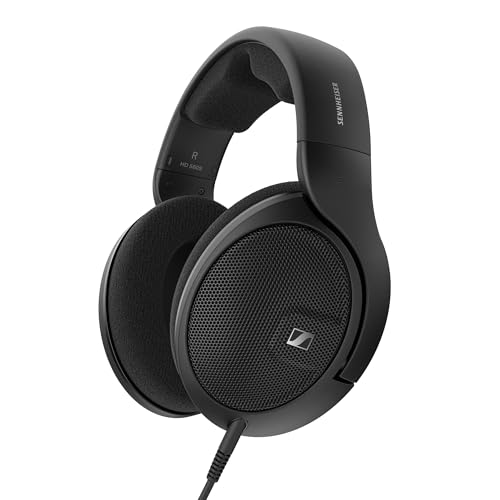


 directheated