Get ubiquity. Fuck that other crap. I tried all that other shit you are looking at, get a couple WiFi 7 access points and a gateway and have some reliable easy to upgrade stuff. If your existing Poe is the 48 volt Poe+ stuff you won’t need to get Poe injectors or Poe switches for the access points. Since I went this route I do t know what to do with my free time, as I am not battling my iot shit disconnecting and going off line.
I've used Netgear Orbi, Eero, and Ubiquiti UniFi WiFi 7 systems all long term.
If you want an excellent ecosystem all behind one very sleek pane of glass WITH better performance and reliability and control than the other stuff, just get UniFi. The only caveat is lack of a dedicated wireless backhaul channel but this is often inconsequential because of better range and overall bandwidth.
If you want to set it and forget it and have tolerance when a forced botched firmware update is pushed with no rollback option, consider Eero.
UniFi makes great home and enterprise equipment. No licensing or fee for all the tools. Their new mesh 7 system is fantastic! And at the cost of starlink minis now, UniFi is a better investment by far imho.
I do a lot of security/networking for work - so I have a strong bias and risk associated security on my devices and accounts. And the vulnerability landscape right now is insane.
Microsoft's October 2024 analysis identified thousands of compromised TP-Link routers used to attack government agencies, defense contractors, and civil society — that's the CovertNetwork-1658 / Quad7 botnet. But that problem isn't isolated to just TP-Link. But I would avoid any companies who are (from top to bottom) beholden to a hostile foreign government. If they control the software AND the hardware side, it's harder to protect yourself from becoming a vector.
I also have subscription fatigue and hate the idea that a cloud compromise could impact my home network.
All in one boxes will keep setup simple, but IMO, won't do anything well. If you are talking just APs, not router/firewall:
If you don't want to tinker or have time to mess with security stuff: Ubiquiti and Ruckus are solid options.
If you like to set your own stuff up:
A free to use, pay to get support/extra features firewall like OPNSense is awesome. PFSense is another but I liked OPNSense interface better. You can run it on a repurposed mini-pc or old desktop.
Then you can buy a managed switch or something retired from a corporate network off ebay for cheap. This isn't required, but can help if you want to wire other things like cameras, additional APs, etc.
Then as far as APs go, you can turn an old router into AP only in a lot of cases, or go down the OpenWRT rabbit hole if you want. I have no idea if OpenWRT can handle mesh networks.
Factors that may change your concerns:
If you have kids you're trying to keep an eye on.
If you want to control where your traffic goes, and how invisible you want to be as a target.
What you do for work.
If you have guests or share wifi with others.
How well you can muddle through online documentation, and how well you can keep helpers like Google and AI chatbots from giving bad advice.
I should add: running an ethernet cable and putting your wifi router in a more central spot is the best bet for a place that size. Know that the 5ghz band doesn't travel through walls/pipes/electrical wires well.
With the specs you ask? None. At least no “real” mesh (wireless backhaul).
Centrally managed Access Points system and direct wring of your gaming machines at least.
Best is UniFi, followed by Grandstream, Omada,….
Professional installer
Top Mesh Wifi Systems on Reddit
1
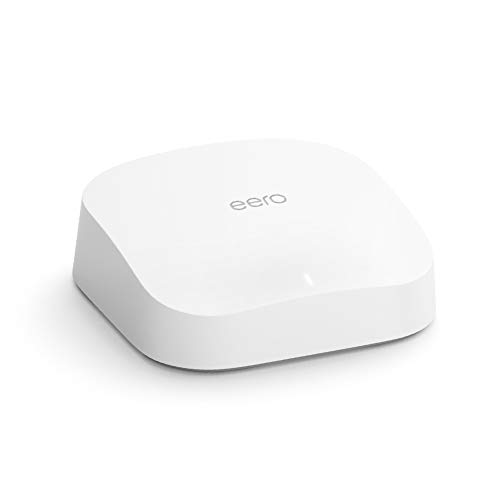
eero
Pro 6 Series
82% positive of 175 users
Easy, reliable, smart home ready; but paid features.


 atehrani