Fwiw, unifi can also do mesh. I have a temporary setup in our new home until I can pull wires which has an ac 6 pro wired to my router, and a 6 long-range in our bedroom and nano ap in the garage wifi meshed. They just each have a Poe ac adapter powering them but they are meshed to the 6 pro.
Prior house each was hardwired cat6, and house prior to that I had only 2 of them but used coax moca 2.5gbps to the second one. All setups worked great.
If you have a home with brick wall or concrete wall or just a larger area I would get something wifi 7 capable.
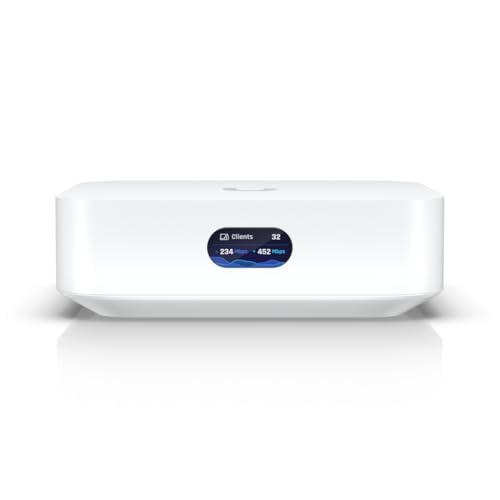
I replaced my 2 Google nest pro which I had setup as a wired mesh system with a single Ubiquiti UniFi Express ux7 and it’s been incredible.
Can confirm. Last week I decided to connect a smart TV, an Apple TV, and a satellite VCR to a UniFi Express with a wireless uplink to an U7LR in the same room. Only because all those devices are on a movable piece of furniture so I didn’t want to use a cable.
Works like charm.
Well it depends haha.
UDM Pro is good if you have space for it. It can run protect for your cameras and storage will be on a single HDD.
UCG Fiber is good in that it outperforms the UDM Pro (if your internet is fast enough) BUT storage for camera footage is limited to a single NVMe SSD and usually cost as large ssds are expensive. Whereas you can get fairly large 3.5" hdds which are more suited for repeated writes.
Then you got the others like the UCG Max which is like a lesser version of the ucg fiber.
UCG Ultra will only run the network side no protect app to run cameras.
Then theres always UCG Fiber and UNVR Instant to run the cameras. Unifi will adopt Onvif cameras but you wont get any motion detection without an Ai port. If you already have your own NVR then you can just get whichever router can sustain your internet speed.
How fast is your internet speed?
Are you able to have wired ethernet to the access points?
I personally would get the UCG Fiber and the U7 Pro XG (or even the U7 Pro Max) the Pro XG has a 10gbe connection but without a 10gbe switch its not fully utilised. The U7 pro max has a 2.5gbe interface which would mate well to the USW flex 2.5 8 port poe switch.
Even then the U7 aps might be too much if you dont plan to be using all that much bandwidth.
I believe most routers will handle 30 odd clients/devices if theyre in range.
If you need more range in different areas ideally you would have multiple access points. Eg a mesh system. Multiple access points with a wired backhaul (feed back to main) is the best as its not sharing bandwidth with itself. I run a unifi system myself but that is more prosumer grade. If you want a more basic solution they have those as well.
If your internet connection is not very fast a better router wont help. What internet connection do you have?
Not sure how much experience you have with setting up WiFi networks and such but I like my unifi express 7s and dream router 7s. More secure than tp link, but more complicated
Top Mesh Wifi Systems on Reddit
1
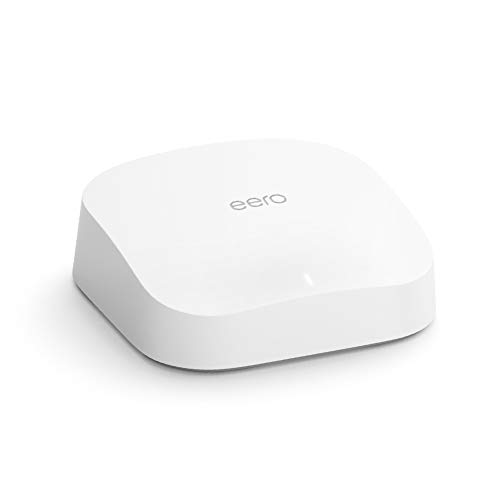
eero
Pro 6 Series
82% positive of 175 users
Easy, reliable, smart home ready; but paid features.

 Blindbatts