TP-Link
EAP670


TP-Link
TP-Link
TP-Link

TP-Link

No summary available.
 Caos1980
You need an wired backhaul wifi mesh system like omada or unifi. https://youtu.be/n34oT8mZetE?si=RTywTOV0BXaqUrxh
CnboxerWe went from a eero 6E to new TP-Link Omada stack. Eero worked surprisingly well for very basic, no config, home requirements. We need VLANs and VPN so made the switch and couldn’t be happier.
DiarrheaTNTI have had both Unifi and Omada. You can't go wrong with either. I switched from Omada because Unifi had cheaper 2.5gb switches at the time. The Unifi controller is a little better than the Omada one.
Downtown-Reindeer-53If you're wiring, choose something better than consumer meshy stuff. I would second the UniFi recommendation, and TP-Link Omada is good also. Wire everything that *can* be wired and save the wifi for those things that can *only* use wifi. The UniFi Cloud Gateway Ultras as the router/controller and whatever switches you need, plus the APs of your choice U6+ or U7+ are good would be a great setup with fully unified management of the network and components.
In consumer world - Asus and TP-Link are the better choices. Eero is great hardware has a subscription model for some needed (IMO) features. I would avoid Netgear, D-Link and Linksys - they are not what they once were and have subscription models, sometimes poor support, and varying reliability and quality. You could also consider gl.Inet Flint devices if you're looking for an all-in-one router, they have gained a very good reputation. I agree that a better choice than any of the above would be Ubiquiti UniFi and TP-Link Omada is also decent - it's different than the consumer gear. Reliability is one of the major points of these prosumer setups. I've been running UniFi for 7 years, it's great.
floswampOmada, which is made by tp-link and it’s based out of the US has a good product line. It gives you enough to do a lot of stuff with a good price point. Very reliable as well.
JoWheeI went with TP-Link Omada. I kind of wish I went with ubiquity. I haven’t checked the subreddit much for either, but I’m having some issues with a new AP, a wifi 7 device which isn’t playing well with my AC and AX APs. Edit I also had a consumer wifi mesh setup but with nearly 100 devices the archer BE19000 was having DHCP assignment issues.
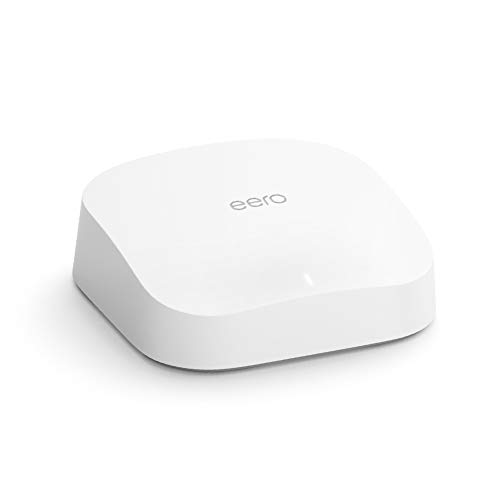
eero
Pro 6 Series
Easy, reliable, smart home ready; but paid features.

TP-Link
Deco XE75 Pro
Great coverage, easy; but unreliable Ethernet, poor app.

eero
eero Max 7
Incredibly fast, reliable; but very expensive, limited control.

eero
eero Pro 7
Fast, reliable; but paid features, needs internet to function.

eero
eero 7
Easy, reliable coverage; but no 6GHz, paid features.