Mizuno Wave Inspire 22 is the stability shoe I use for longer runs. It is a huge inprovement on Wave 21 shoes and the form of the shoe adapts better to my unusual foot shape. Can recommend.
I run in Mizuno Wave Inspire 21s. I got them in an 8.5 in mens. I also have wide feet and a longer second toe. Additionally, I find many shoes run my heels. I have a hard time finding everyday shoes that are stylish.
Bless the running store teenager, he called them unisex. I'm on my second pair.
I love my wave rider 26s. I recently tried on the 28s and 29s, but didn't care you for much cushion they added. So now I'm giving the Inspire 21s a spin.
The 26s have far outlasted two pairs of Hokas, in terms of time and mileage.
I'm sure there are cases where it's not needed.
But I disagree gait analysis doesn't serve a purpose. And the quality of what you get depends on where you go. Go to a store out to make a quick buck and you're probably not getting the best advice. But most stores aren't like that unless the sales person's on a commission, which isn't usual where I am based. But is likely to be more common in the US.
The store I go to steered me away from my preferred Asics Kayanos to cheaper Mizuno Wave Inspires two years ago, significantly cheaper, doing the same job and lighter (not this year's models) they are looking for return custom, so don't necessarily recommend the most expensive shoe. They've also given me the same recommendations as the last specialist store I went to ten years ago in another city. (We moved since).
From personal experience with shin splints in my 20s and other issues until I had gait analysis and got a stability shoe I had problems running any kind of distance. I've since run 15 marathons and a few ultras and having the right shoe is what allowed me to do that.
On cross country ultras across rough terrain it's probably not as necessary, you need a good trail runner, but support around the ankle and good grip are my priorities there, along with the ability to let water out instead of retaining it. All of that stability or over pronation means less when the ground varies with every step from rock to marsh to grass to gravel. I've used several trail runners, but my main criteria with them has been the ability to let water in and let water back out again with good socks so my feet aren't sopping for hours.
In relation to comment around ankle strength I spent a good deal of my 20s and 30s doing martial arts barefoot and had plenty of ankle strength and power in my legs.
While MA is likely to have contributed to the shin splints, ( jumps and lands on hard floors, shin kicks etc), my ankles were already strong by the time I started running.
And another reason to go to a specialist is it helps to get a good fitting shoe done properly. Regardless of type, the fit is important. Whether you over pronate or don't. You need to know what a good fit is.
A lot of people are wearing shoes that are too tight or too loose and without enough support. Look at many injuries and it may well be a great shoe, but fitted poorly.
It's the most critical part of your gear if you're running. It's worth getting it right.
I get it's not always needed, but if you plan on running any kind of distance why wouldn't you get the basics right so you have a solid foundation on which to build instead of an injury waiting to happen.
Each brand has a different emphasis, the sponge affect is a dominant current design trend.
There are alternatives in many brands that feel like more "normal" trainers if you're not liking the sponge effect.
The general benefit of better runners is more support over time, getting shoes suited to what you're doing helps reduce injuries, so if you're running marathons you're more likely to buy certain types of shoes, if you're largely short distance you might buy a lighter shoe suited to that with more support in specific areas of the shoe.
With the right guidance, you get a better fit, and reduced risk of injuries over time if you are buying trainers suitable for how you stride/land.
Personally I don't like the overly sponge affect feeling, so when I go to a running specialist they usually recommend for example Mizuno Wave Inspires or Asics Gel Kayanos (stability shoes) over Hoka and other predominantly "sponge" affect brands.
So you have choices that may be less of a transition. I've run 15 marathons in Asics Gel Kayanos, and continue to use them or the Mizuno's.
Edit: But get gait analysis done as Kayanos suit me, but may not be the right shoe for you.
These are the ones for me as well. I’ve been using them since Wave Inspire 1s. Truly though, it’s hit up a running store to have them put you in the right shoe.
You could get a second pair on top of the Cliftons and rotate between them, and use them for different things.
A Kayano or Wave Inspire or Wave Rider might be your easy day and long run shoe, and your other pair e.g. Clifton 9's could be your shorter/quicker run shoe. The comparison between the two can also help give you an idea of what you need going forward (though what you need, and want, may change with time of course). It's also good not to run consecutive days in the same pair, to let the midsole recover. And it's good for your body not to get too used to just one type of shoe I believe.
There's no substitute for the strength work of glutes and core etc, and the gradual build of condition in a training cycle, but these types of shoes certainly seemed to help me along the way. Now I can mostly run in neutral and stable-neutral shoes, and race up to and beyond marathon distances in race shoes like the Vaporfly Next%(inherently not stable!).
Top Road Running Shoes on Reddit
1
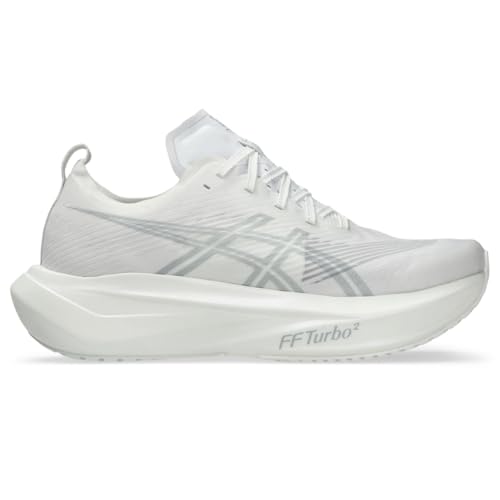
ASICS
SUPERBLAST 2
71% positive of 805 users
Marathon workhorse, but loud and clunky at slow paces.



 juhaszmark