1. Pack -- no strong opinion. I mostly bikepack. Piece of advice would be to focus on the volume, which critically depends on the amount of gear and food/water you want to carry. Above 35L probably framed, below 25L UL fabric. I'd think that a decent framed backpack would do. I had mild headaches looking at the prices of higher end backpacks.... entry level, at first, would almost certainly be a better option.
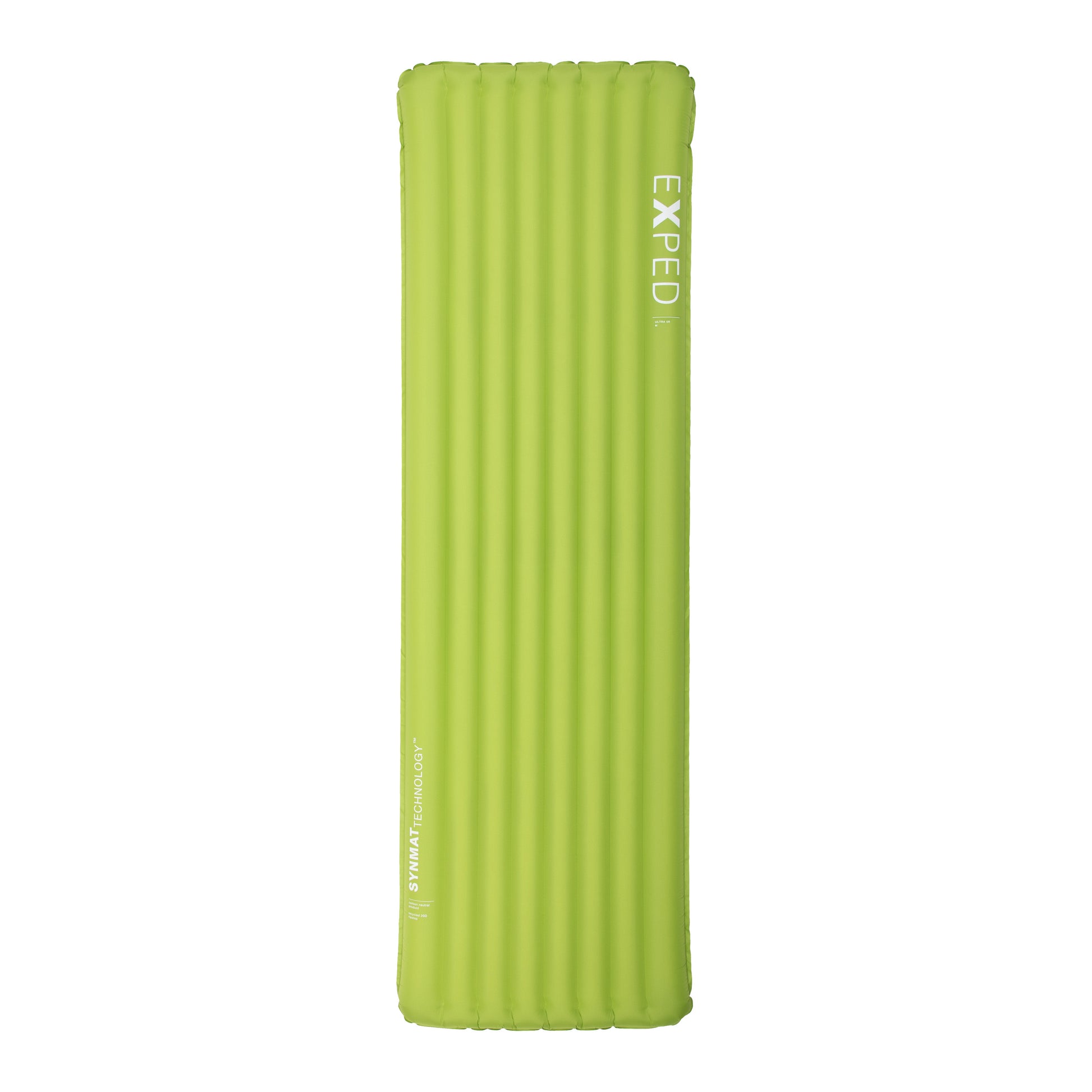
2. Pad -- it looks as if a fair proportion of seasoned backpackers use ccf pads, the more extreme version being evazote. Looks dorky BUT no fear of a puncture, AND much less expensive. For the record, I have an XTherm, a Decathlon (much much less expensive and similar comfort) a Z-fold and an evazote. I plan a 6-week trip this spring, with the evazote because it weighs next to nothing, unrolls/rolls in an instant. (inflating an xTherm isn't fun. Deflating takes more time)
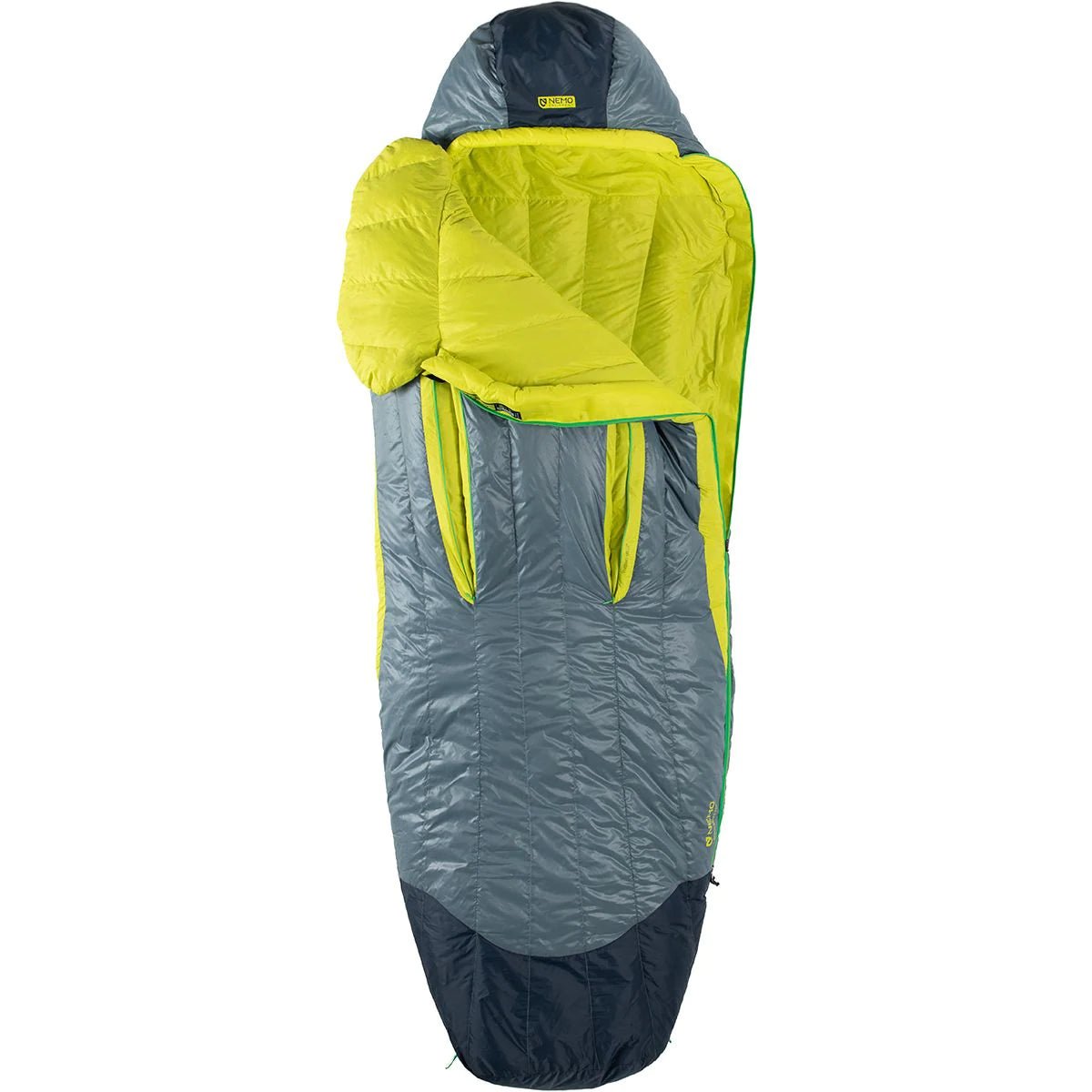
3. Bag: 950 Fill down, false back (look at what Timmermade does), aggressively rated (i.e. no need for a rating at the record low ever registered in the area you want to visit). Will weight nothing, pack the size of a large grapefruit. If it gets cold, wear all of your clothes and you'll survive
4. Backpaking nowadays is usually with trekking pole(s). I'd suggest a dyneema trekking pole tent. Reasonably durable (expect 100+ nights before it starts delaminating). Weighs nothing. In the Appalachians you essentially always stake your tent. (although national parks are getting more focused on huge camper vans and force you to pitch your tent on what looks like concrete).
5. I'd absolutely look for a used inReach. DO NOT rely solely on your phone. Battery/weather.
6. Get a tiny stove (BRS-3000) and an aluminium (better thermals) pot. Personally I can fit a 100g canister + stove always screwed on, inside a SnowPeaks 750ml and an insulated TomShoo 600ml (or is it 650) titanium mug. Cheaper than JetBoil, more flexible. Weighs very little. For water, several filter systems exist. Read about chemicals you can/should add to your water.
More importantly -- don't over think about/spend on gear
Having done about 600 miles with torso length GG Thinlight, I can honestly say it’s not for everyone/most. I now use 10mm Evazote cut to torso length and it’s really comfortable. If you want something thinner, I’d go with the Yamatomichi 5mm.
Not sure what your mid-range cost is but I absolutely LOVE our double exped mattress. I honestly sleep more soundly on that thing than my own bed its so comfortable. We also have a 6 person tent (can't remember the brand) and find that its great to sleep both my partner, me and our dog with a good amount of extra room.
To get this right so that you will feel like you are sleeping at home every night, you will most likely have to move your sleep system gear more to the LW side on one or two pieces. I have already recommended ZenBivy.
Aim for a pad (ideally insulated) that inflates to a 4 inch max or better. Inflate the pad 3/4 — never fully. When you roll over, your shoulder bones should not feel the ground. But when you sit up in the pad, your seat bones will probably feel the ground. The ideally inflated pad is designed to sleep on, not to sit on.
You mention pillows. By far the most reliable system for me has been the Nemo Fillo series in combination with a down-stuffed pillow “base” that lies under the head of my insulated pad.
To create this “base” I take my UL INSULATION (MontBell down pants) and zip it inside an UL container/sack that measures roughly the width of my pad and works to slightly elevate the head area of the pad, before adding a pillow under my head.
I add very little air to the bladder. All air bladders give a stiff feel.
Any other discomfort is usually fixed by adding a bolster pillow as needed beneath or between my legs. This is created from my clothes.
Hope this helps.
I want to comment on this as a greybeard who is still out 40 nights a year, year after year for decades now.
Guys, the CCF sleeping literally ends in a wreck the minute you turn 35. As muscle mass begins to slowly decline, you no longer will have enough muscle to make the CCF nights comfortable. Almost every guide and long term backcountry user I know started making a hard and past pivot to INSULATED inflatable pads around 35-40. If you anticipate that, do yourself a favor and start now. Invest in the best Exped insulated pad you can afford. You’ll thank me!
Just reminding folks here that based on broad experience, star sleepers and people who regularly sleep back-side-stomach will never be able to adjust to hammock sleeping.
Guys read my comments but let me tell you the problem is usually age related. After 35, usually a good idea to start shifting your sleep system weight a bit toward LW from UL to get the sleep you need. Good sleep translates into more energy during travel.


 -gauvins