I've had a pair of solomon speedcross 3 for about 10 years that I've been in love with. With a good pair of socks I think they're pretty good for the winter.
Solomon makes good lightweight trail runners, but honestly my Merril Moab low tops are my favorites. They’re lightweight (enough), but mainly they’re extremely comfy for me. I’ve seen people talk about the eyelets wearing out prematurely but I haven’t experienced that on either of my pairs. For reference, one pair gets moderate hiking and camping use, the other pair is a daily driver for me as a contractor
I find a lot of people gravitate to trail runners and light hikers even if they don't need them.
It's a mix of things, I think it's part cosmetic preference, part the misconception that hikers and trail runners are good everything shoes, and part a belief that they might need the outdoor performance.
When it comes to that second point in particular, they (as in trail runners and hikers) do make good everything shoes. Just not durable ones. And many many years ago, there was a time when trail runners just exploded in popularity, and they eventually got adopted into different professional communities. Sometimes they were the appropriate footwear choice, sometimes they were not. But even in that second group, they ended up being established and continue to be a popular choice even if it's not the best one.
There are many brands catering to the hiker and trail running look without necessarily bringing the performance or durability hits. I've often been critical of Lems for doing this, but as much as I grown and get on my elitist high horse about them not being real hikers, they do better reflect how most people use their hikers. Which means they get better value out of them.
And this all ties into that third point. A lot of people buy things they don't actually need because they think hypothetically some point in the future they might need it. Look at all the people who buy SUVs and pickups because they might need to go off-road or tow something even though 9 out of 10 times, they'll never leave city or suburban streets. The outdoor equipment and apparel industry is built off of people with disposable income who rarely use the gear they buy and if they do don't run it through its paces. The industry sustain itself without it. If you look at a lot of the people asking for footwear recommendations, you'll see a lot of people wanting a hiking or running capability even though there's a good chance that they'll never actually use the shoes that way. They just like the idea that they could.
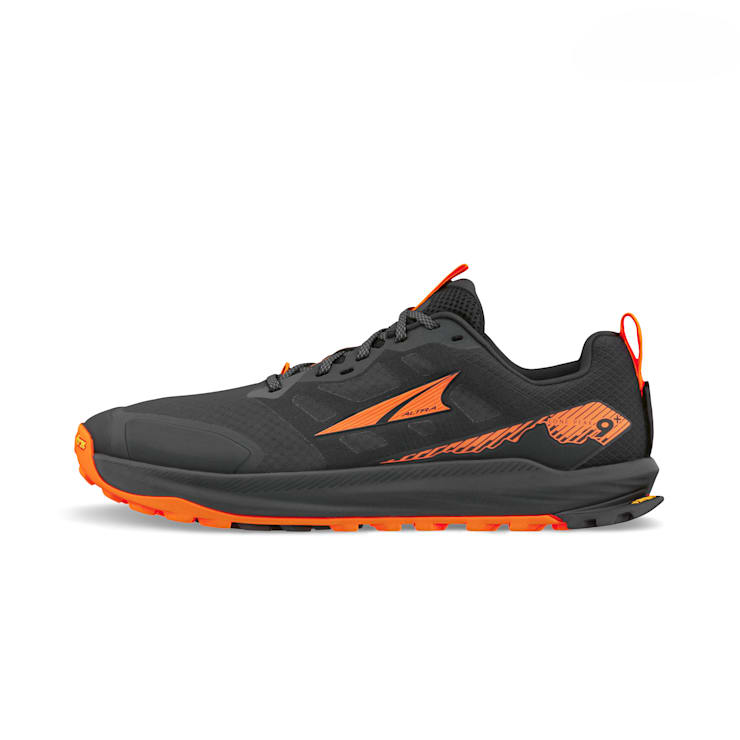
Finally, I will note that Altra does have a pretty robust road running and everyday walking shoe line.
Most of the time my main point of failure is blown stitching or material tearing on the upper. Usually from bushwhacking or dog claws. It's one of the disadvantages of thin and light uppers. But even then I've had dog claws and some particularly unpleasant vegetation tear up leather uppers too. I also lost a lot of my non-barefoot shoes to dog teeth, but that was just when my current working dog was a puppy. She loved destroying my left side shoes for some reason. Always ignored the right side. I think the only pair of pre-barefoot or minimal shoes I have left are some La Sportiva trail runners. Wearing down outsoles is only really a problem for me on my more light use shoes and boots because the upper isn't getting battered around as much.
I never lost a shoe this way, but you also hear of people destroying uppers from their toes working their way up through the material. I think part of that is a size issue, the toes weren't underneath the toe caps. Another aspect is design, there are plenty of uppers with pretty minimal toe caps. And it's just the reality of light and breathable mesh uppers. There are some pretty high strength meshes coming out now but I don't think anyone's implemented them into shoes yet and even then, it's still mesh.
That was a poorly articulated point on my part. I wasn't speaking on Altra specifically at that point and I was trying to compress a nuanced discussion into a few words.
The more complicated answer is hikers and trail runners are in some ways very versatile because the soft rubber outsoles are very high traction and can provide that traction on a wide range of surfaces. Deep and aggressive lug patterns can lift the shoes out of wet surfaces and slow down thermal transfer when used on firm artificial surfaces because of reduced surface area and contact with the ground. So for some, they can be a good all-around shoe or boot. And at least in my opinion, if you can't specialize, it's better to use hikers on street surfaces then trying to use street and casual shoes on outdoor surfaces.
The downside is road surfaces shred through soft rubber outdoor outsoles at a increased rate as compared to the firmer street/road outsoles. Aggressive lug patterns can be more uncomfortable on firm surfaces because of the way they distribute pressure, and less defined lugs can reclaim some of that lost traction firmer rubber by increasing the amount of outsole material in direct contact to the ground.
Contemporary boot preferences for things like law enforcement are basically souped up hikers and trail runners. Consider Salomon Forces or LOWA Profession. They have really good traction on both outdoor and urban surfaces, but they only last for a few months. Especially if you're using them on the aforementioned urban surfaces which just tear up the in-house rubber outsoles. But having to replace boots every 1 to 3 months, is just the cost of doing business. Some agencies and units put the bill for replacement boots. And for those that don't, the view is the comfort, protection, and traction that they provide is worth the cost of having to replace them so frequently.
There are also outsoles that try to bridge the gap between trail and road running. I call them crossover outsoles. But there's a bunch of other terms for them. The thing with crossovers and pretty much anything that tries to do everything, is you ended up doing everything worse. You end up with a okay trail shoe and a ok road shoe with reduced longevity. They also often tend to be either balanced more towards road or trail, so it's not a real true intermediate option between both types of surfaces.
As to what would work best for you, it's hard to say. One challenge I've often come across is varying opinions of what counts as trail running. Some people honestly consider running on paved or gravel trails through their local park to be trail running. Others consider it road running with better scenery. Some people are trail running on really rugged technical terrain that necessitates high performance footwear. Most are running on well maintained hiking and walking trails in good weather on compacted dry dirt. Options are going to differ if you run through a lot of mud and debris and have to navigate obstacles ect.
I also tend to recommend Vibram and Michelin outsoles. They are on the cutting edge of rubber development. Vibram literally invented high performance rubber outsoles. It's often said that the boots that conquered K2 and Everest are Vibrams. Although if I'm being honest I don't actually know what boots Edmund Hillary and Tenzing Norgay were wearing on Everest, but the first K2 summit was by an Italian team wearing Vibrams, and a lot of subsequent Everest climbers were wearing Vibrams. But none of that super relevant. The main thing is I find that Vibrams and Michelins are able to provide a good mix between longevity and traction, and have a lot of institutional knowledge when it comes to good outsole design. Generic rubber outsoles or whatever in-house outsoles brands use, sometimes even major brands, often have you choose between one or the other. Salomon's outsoles for example have good traction and usually good tread designs but they shred extremely fast.
Speaking for myself, despite pretty much always being on a shoestring equipment budget, I do have a tendency to favor traction over longevity. There's limits to that of course. I can't afford to blow through boots every 6 months anymore. But when traction beyond the level of what my street shoes can provide has even the slightest possibility of being necessary, I still grab my hikers to use on pavement without any qualms. The durability hit is worth the potential benefit.
Terepfutó cipőt használok túrázáshoz: Salomon Speedcross
Viszont ez inkább erdőben jó, sziklás terepen nem a legjobb.
Tényleg egy sportboltba kellene bemenned es megnézni neked mi a jó.
Spuri is jó bolt, vagy Óbudán a Sarkcsillag sport bolt. Ez kifejezetten terepfutós bolt.
I loved the Salomon Speed cross as I could run down on wet grass and they were still gripping, but their durability is very short. Amd simce they are very tight I started looking for other shoes and now I use the Altra Lone peak. Less grip I'd say, but they fit perfecrly as they follow the natural foot shape, and they last mucj longer. Cushion is good and they're drop zero. Not going back
Top Trail Running Shoes on Reddit
1
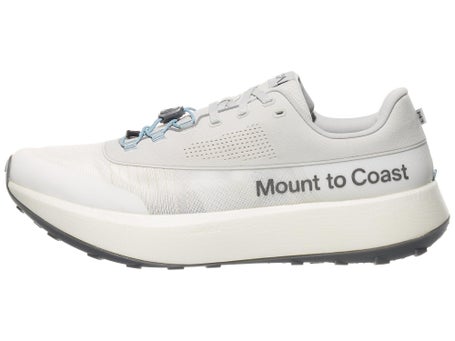
Mount to Coast
H1
85% positive of 177 users
Versatile road-to-trail, but struggles on wet, technical downhills.

 Afrazzle