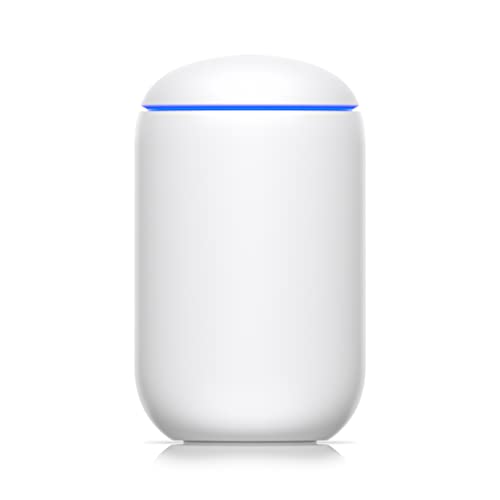
If you can wire APs with network cable, that's always the best option. Obviously buy the same type, Ideally with central management, like Unifi for example.
But for many, running the cable is just too tricky.
In a network engineer, but live in an old brick-built house with hardwood floors and plastered walls. So I do use a mesh system in my own house.
My ISP provided a FritzBox AX router, so I bought matching FritzBox mesh repeaters. This means I can make the router Master, and the repeaters all slaves, so I can manage and monitor everything through the router management page.
The mesh repeaters have an Ethernet socket, so in some locations (like my home office) I've got a network switch and some hard-wired networking. Most importantly, to my PC. Gives me a Gigabit connection to my router.
I still can't comprehend what kind of routers people in other continents like America buy/ have to buy. In Germany, almost everyone uses AVM Fritz!Box', which are way more capable than most 'standard' routers and do not cost $400 or something like that.
u/Ok-Impress8879, actually either of the routers you mentioned, would work -> that is for the number of clients you mentioned in your post.
For refference, in our household we have 12 PCs (laptops all) + another 9 or so NASes, all using hardwired ethernet for networking + another 20 or so Wireless devices (ie. aprox 15 diff mobile devices, a few remote controlled toys (Fanhome R2D2, which are controlled via the 2.4gz WiFi network in the home + a few other tablets, ipods, etc) and use a different brand of router all together (Fritzbox - common in Europe Germany/Austria/Switzerland region).
Also in our home we have a few APs (Access Points) throughout the home, as the router's WiFi signal can't reach the entire home... so where needed, we added additional APs to extend the WiFi coverage to those areas in the home, where the router otherwise could not.
In our second home, we have, Netgear router, also servicing a similar setup of clients, wired/wireless devices.
Both of the routers we have, have no issue managing the number of clients we have in eitehr home (and are different brands).
Good luck on your purchase!
u/Ok-Impress8879, our APs are a complete different brand from the Router itself and we've never had a problem with the roaming and that should be your experience as well.
Up to last year (2025), we used to have our old routers that were not in use, set up in AP mode and working as APs. Only last year, we finally made the upgrade to dediceated POE APs, which are much more efficient that a whole router, although working in AP mode, still from the energy consumtion, the APs are better.
In the link, you can see a picture of the second desk, that is before the AP upgrade - the router is on the corner to the left of the Laptop:
https://imgur.com/xzWZxOD
Then after the upgrade:
https://imgur.com/BxWuLYK
The POE AP is connected to an POE Switch:
https://imgur.com/jJqpX3D
That particular AP can also be powered up with an standard AC Adapter, but since we went with the POE route with a POE switch, then the AP has one single cable, the ethernet cable that provides the power (via the POE Switch) as well as the networking.
Good luck on the purchase and setup there!



 Leading_Study_876