GL.iNet
GL-MT6000 (Flint 2)
OpenWrt enthusiast's choice; good value, but lacks 6GHz.

Running these analyses costs money. Buy through my links to help keep lights on! I may get a small commission.
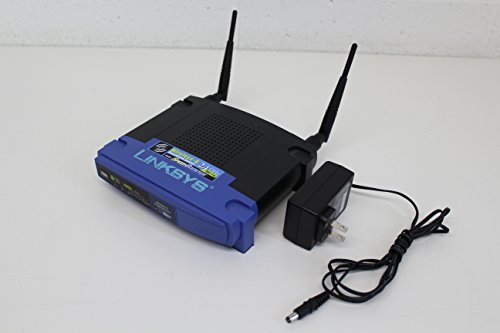
Putting Tomato on it was what got me to keep the beast around longer.
...and tomato fw. I used to have stack of them at home, I ran them at work, I still have a few in storage. I believe mine were mostly 54GSv3?
nah some can be real good. trust me ur WRT54GS cant handle multiple phones PCs and other devices without dropping packets here and there, but lots of people are OK with that
Same. I had updated the firmware to one of the open source ones and it just keep running. It wasn't until I got "too many" newer devices in the house that overloaded it (random devices would drop off with no warning) that I needed to replace it. I relaxed it with a beefy ASUS, but that thing died after like 18 months. Since then, I use access points and pass everything through an actual firewall... No more consumer grade "routers" for me.
ASUS RT-N66U. Bought it to replace my WRT54G that failed 13 or 14 years ago and still am using it.
WRT54G with DD-WRT and a cantenna. Despite what the haters say, cantennas made a measurable difference if setup correctly.

GL.iNet
GL-MT6000 (Flint 2)
OpenWrt enthusiast's choice; good value, but lacks 6GHz.

Ubiquiti
Dream Router 7
Advanced management, but limited Wi-Fi 7 range, SFP+ issues.

Ubiquiti
Dream Machine Series
Comprehensive control, stable for large homes, but slow support.

Ubiquiti
UniFi Dream Router (UDR)
Modular, user-friendly, but tricky advanced setup, poor penetration.

GL.iNet
Beryl AX (GL-MT3000)
Travel king, versatile, OpenWrt, but bulky power adapter.