Are you based here in the States? If so, Ubiquity gets my vote. TP-Link is up in the air since it may be banned in the USA someday but I am running a TP-Link Wifi 7 Archer BE800 for over 2 years and it is rock stable. The only con is that FW updates are not released very often at all. I would have went with the Asus Wifi7 *ROG Rapture GT*\-*BE98* (Pro) but when I needed to purchase the latest and greatest, their wifi7 flagship router was not released back then yet in 2024. I had the highest end Netgear Wifi 6E router RAX120 in 2021 but it just completely died 4 years later (My 3 year extended warranty was expired) so I am iffy on purchasing new Netgear products as I never once had a router die on me and I have owned around 6 Netgear routers flagships in the last 15 years or so. So to be safe Ubiquity or Asus for now. TP-Link for value especially from Costco if you want their MESH package.
Brand only matters for the ui you like. Ausu tends to have more controls, netgear is the more "user friendly", tplink is the half way point.
Netgear tends to ship with netgear armor or what ever they call it. Good but annoying that once its on you pretty much have to do a reset to factory to get rid of it .
Netgear and sus will let you fully control through the web ui and limited controls on a app so you'd have both.
I never used the tplink app if they have one so I dont know about how it works.
That said, your requirements seem to be wifi 6 and longevity. So really any netgear AFTER r8000 would do what you want.
Netgear:
R7xxx <-- no
Rax50<-- yes
So as only as a 2018 ax8;
Ax8/ax12
Rax40, rax50, rax200, ect
Asus:
Rt-ACxx<-- no
Rt-AXxx<--yes
Rt-ax88u
Gt-ax11000
Rt-ax92u
Rt-ax58u
Been running the ASUS AX6000 for like 2 years now and its been solid for my setup. Got jellyfin running on a mini pc plus some other services and never had any drops or weird connection issues
The gl.inet stuff can be hit or miss - i had one of there older models that would randomly reboot under load which was annoying as hell. For around 200 you might also want to check out the netgear nighthawk ax12 if you can find it on sale. Way more reliable than budget wifi 7 options imo
Also make sure your not getting interference from neighbors - sometimes the 6ghz bands on wifi 7 routers get wonky in dense areas
it's BS.
I have an old WR1201 I bought for nothing 8 years ago or so, it's serving \~20 IoT devices through it's N radio.
the AC radio's idling, we use it for guest wifi when needed, both wifis are completely cut off from the up stream LAN (it's a router behind router kind of setup)
you don't need anything new, older might actually be better in your case.
[https://toh.openwrt.org/](https://toh.openwrt.org/) make sure you pick something with > 8MB flash and > 64MB RAM.
\> new device openwrt dont have it and it will help the learning of OP, not mentioning faster UI
if I read is correctly, OP's doing ESP32 development, not OpenWRT.
pretty sure they won't mind sluggish LuCI, since it's not their main focus.
OpenWRT for IoT will most likely be fire and forget.
[https://www.ebay.com/itm/306862131512](https://www.ebay.com/itm/306862131512).
plenty of RAM, in par with AX1800 thoughput over wifi on AC (not that it matters for your use case).
if you find the same device cheaper elsewhere, make sure it's the quad antenna version you buy.
I had these running as APs for years, rock stable, uptime > 1 year.
I currenttly have a Wifi6 Netgear Nighthawk. I just upgrade my ISP speed from Fiber 1GB to Fiber 2GB, and this router does not support a 2GB input (only 1), so I want to take advantage of the speed.
Now, everyone here says Ubuquity this and that, but, I do not care about network management, or really customizing it or setting up a ton of different things. What I care about is speed, and coverage for my entire house.
This current single router (that is positioned at the center-about of my house), covers the entirety of our 2000 sq foot house. Outside the house like on teh patio the signal starts to get dropped. I am using all 4 of its LAN ports, 2 for gaming computers, and 2 for gaming devices. We have multiple 4K tv's running off Wifi, we have at any given moment 2-4 people all gaming with no lag at all (one of them is on a 1600 mbps wifi 6 card that seems to work really well), we have many cell phones, ovens, fridges, whatever, there's like 100 devices connected to this thing through wifi I don't even know them all, split amongst all 3 of its bands. We have ZERO issues and its been a great router. I simply want to upgrade from 1GBS to 2GBS signal so we continue to have even less issues and download things faster and future proof ourselves as new devices come out.
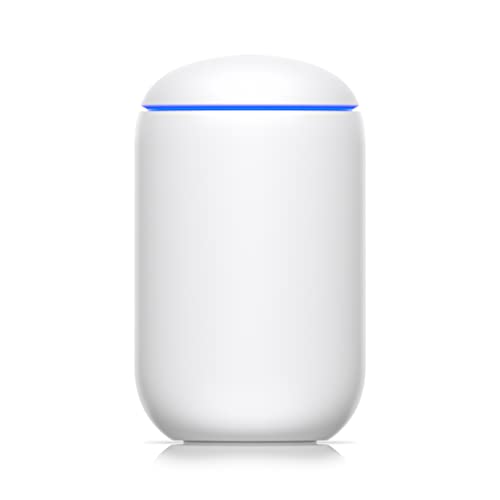
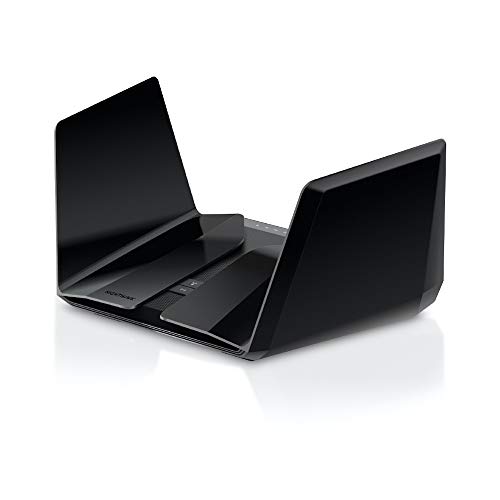
Does this Ubiquity (UDR7?) router fit the bill? I don't really want to buy any mesh or extension pieces or whatever, because it doesn't seem like I need them, if this single 3 year old Netgear router handles all this pretty well. Otherwise I'm looking at Asus ROG wifi7 routers, may be the new Nighthawk, though that doesn't seem the best anymore (?), but overall I've liked Netgear honestly, they've been my last 3 routers.
Yes the ISP gave me a year deal for the same price as 1GB, I get 2GB, but then realized my router doesn't actually support it. We do game a lot, all of us, and there is the occasional lag, though I'm not sure that's us. Honestly 1GB has been totally fine so far.
Yeah I'm not going to be setting up VLANs or segment devices or any of that, I'm not really that involved with the network. Just want everyone and every device to be happy out the box 😄
Interesting, thanks. I'm trying to avoid spending a bunch of money which is why traditionally I just went with a single powerful router. Also it helps managing the network in general, though I try to avoid that as I know just the bare minimum of messing with routers.


 Agreeable-Ad-2425